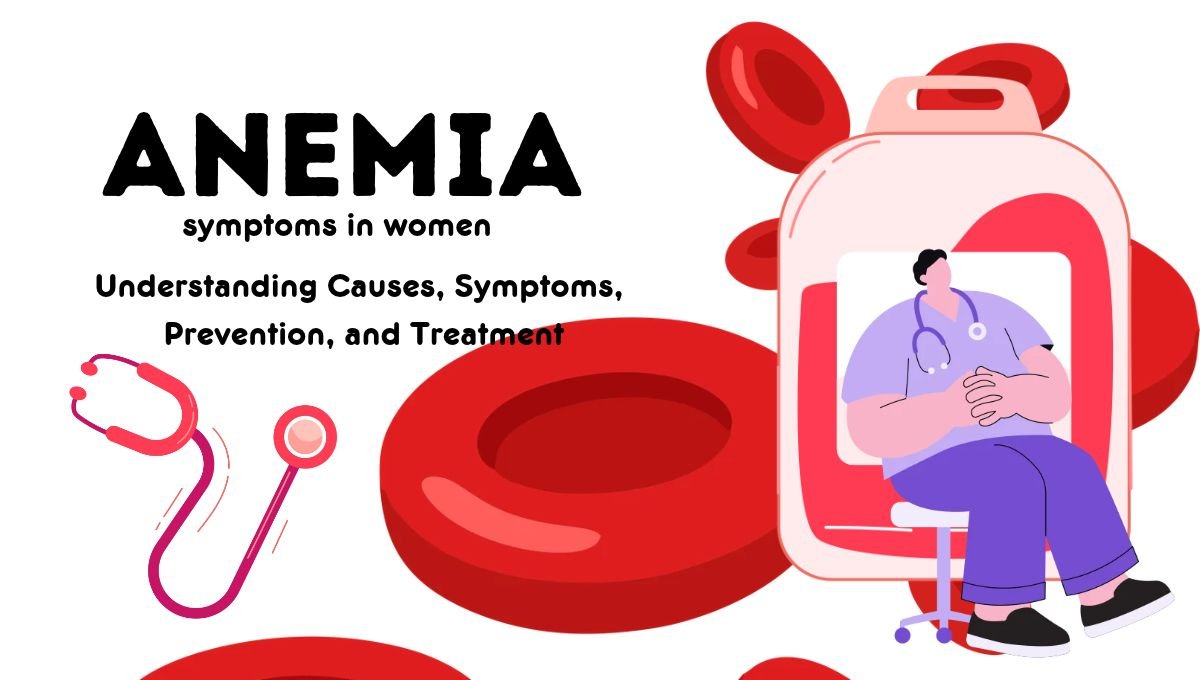
Anemia symptoms in women can include persistent tiredness, weakness, dizziness, headaches, pale skin, shortness of breath, rapid heartbeat, and difficulty concentrating. Anemia is a common but serious health issue characterized by the body’s blood being unable to deliver sufficient oxygen to its tissues due to the lack of healthy red blood cells or hemoglobin. Women who suffer from menstruation have a higher possibility of anemia compared to men. Conditions such as pregnancy, poor nutrition, heavy periods, chronic illnesses, and certain vitamin deficiencies can contribute to the development of anemia. According to the World Health Organization, anemia is one of the highest public health priorities for women aged 15–49 years old.
The symptoms can vary from moderate tiredness to substantial weakness, breathlessness, and dizziness. Some women could have anemia without being aware of it for quite some time. Learning about the early signs can help women to be able to request the right tests and treatment before it goes any further. In this article, we will discuss anemia symptoms in women, including causes, diagnosis, and treatments.
What Is Anemia?
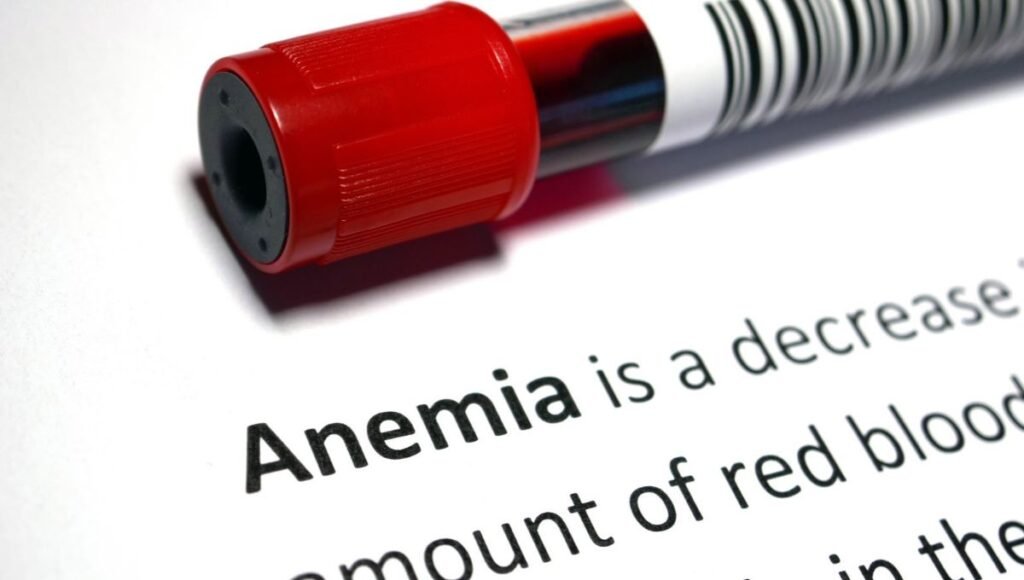
Anemia occurs when there is a lower than normal amount of hemoglobin in the blood. Hemoglobin is a protein that can be found in red blood cells. It helps carry oxygen from the lungs to the rest of the body’s tissues and organs. When hemoglobin levels are too low, the body is not able to receive enough oxygen. This can result in tiredness, weakness, and dizziness. Anemia can have various causes such as nutritional deficiency, blood loss, abnormal production of red blood cells, chronic illnesses, infections, and inherited blood disorders. Iron deficiency is one of the most common nutritional causes of anemia. Folate and vitamin B12 deficiency can also result in anemia.
Common Symptoms of Anemia in Women
The symptoms of anemia in women can differ depending on how severe the anemia is and what the underlying reason is. Mild cases might not show many symptoms, while severe anemia can interfere with daily activities.
Constant Tiredness
One of the most common symptoms is feeling consistently tired. A woman may feel tired even when she has had a proper night’s sleep and taken a break. Common activities like walking, studying, and working could all feel more challenging. This is due to reduced hemoglobin, causing a smaller amount of oxygen to be delivered to the muscles.
Weakness
Feeling weaker than normal is another common sign of anemia. A woman may find that she is not as strong physically as she usually is and could struggle with tasks that she was able to do relatively easily before.
Shortness of Breath
Some women with anemia may get breathless when walking, climbing stairs, or exercising. When anemia is more severe, they may get breathless even with only a small amount of activity. The body is trying to make sure that there is enough oxygen being delivered to the different tissues and organs. The World Health Organization mentions shortness of breath as one of the common anemia symptoms.
Dizziness or Light-Headedness
Feeling dizzy or light-headed is a common sign of anemia. A woman may find that she feels this way especially when she gets up quickly from sitting or lying down and after physical activity. Not all dizziness is caused by anemia, and there are many other reasons that could be contributing to it.
Pale Skin
Pale skin can be a sign of anemia, but it is not always an indicator. The inner part of the lower lids, gums, lips and the beds of the nails can also be pale. However, everyone’s skin tone is different, so one should not automatically think that having pale skin is a sign of anemia.
Headaches
Headaches can also be a symptom of anemia. A woman may find that she is experiencing headaches more regularly. Reduced oxygen delivery to the brain can result in headaches, but headaches are also caused by a wide range of other reasons. If the headaches are occurring frequently and severely, it is best to see why that is happening.
Rapid Heartbeat or Palpitations
Some women with anemia may notice that they are experiencing heart palpitations or that their heartbeat is faster than it should be. The heart is beating faster in an attempt to send enough blood around the entire body. Severe anemia can be associated with a rapid heart rate and rapid breathing.
Cold Hands and Feet
Cold hands and feet can be a symptom of anemia. A woman may find that she feels colder than normal even in warm environments, but she is not the only person who experiences this condition.
Difficulty Concentrating
Some women with anemia may find that it is more difficult to concentrate on specific tasks or that their attention is not as good as it should be. This can be combined with the other symptoms to make it even harder to complete daily activities.
Reduced Exercise Capacity
A woman who is able to exercise comfortably before may find that she now gets tired a lot quicker. Long walks or climbing stairs might be more challenging. The World Health Organization highlights that anemia can reduce the ability to exercise.
Steps to Prevent Anemia in Women
- Eat Iron-Rich Foods: Include lentils, beans, chickpeas, spinach, soybeans, nuts, seeds, fortified cereals, meat, and seafood in your diet.
- Add Vitamin C: Eat vitamin C-rich foods such as oranges, guava, amla, tomatoes, and lemons with iron-rich meals to improve iron absorption.
- Monitor Heavy Periods: Heavy or prolonged menstrual bleeding can lead to iron loss. Speak with a healthcare professional if your periods are unusually heavy.
- Get Enough B12 and Folate: Include leafy vegetables, legumes, dairy products, eggs, and fortified foods to support healthy red blood cell production.
- Get Regular Blood Tests: If you have persistent fatigue, weakness, dizziness, or other anemia symptoms, a CBC and appropriate iron tests can help detect anemia early.
Anemia Symptoms Related to Menstrual Periods
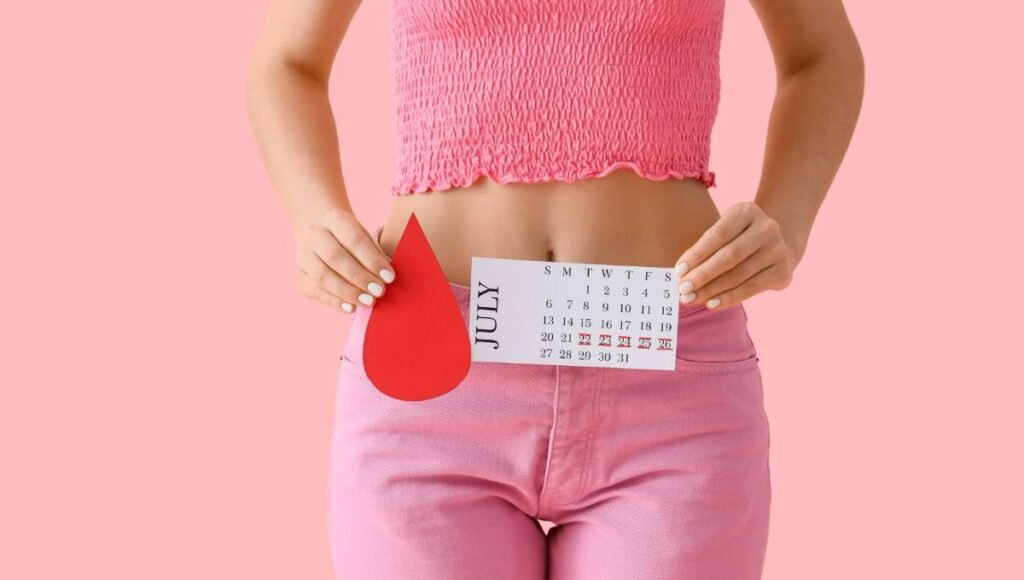
Heavy menstrual bleeding is an important potential cause of iron deficiency in women. A period may be considered unusually heavy if it is lasts more than seven days, significantly interferes with daily activities, includes very large clots, or requires changing a pad or tampon frequently. The CDC identifies heavy menstrual bleeding and anemia as findings that can sometimes occur together, particularly in women with bleeding disorders. Women who regularly experience very heavy periods, prolonged bleeding, or symptoms such as persistent fatigue and dizziness should speak to a healthcare professional.
Anemia During Pregnancy
Pregnancy increases the body’s nutritional and blood-volume needs. As such, pregnant women can be particularly prone to anemia. Possible symptoms include tiredness, weakness, dizziness, shortness of breath, and reduced physical capacity. However, some symptoms of pregnancy can mimic anemia, so blood testing is essential. WHO reports that anemia during pregnancy is associated with important maternal and newborn health risks, which is why anemia screening and appropriate management during pregnancy are important. Pregnant women should not begin high-dose iron supplements on their own. The correct supplement and dose should be determined with a healthcare professional based on pregnancy status, laboratory results, and individual needs.
What Causes Anemia in Women?
There are several possible causes of anemia. Common ones include:
- Iron Deficiency: Iron is necessary to produce hemoglobin. A diet that does not supply enough iron, poor absorption or increased iron needs can contribute to iron deficiency.
- Heavy Menstrual Bleeding: Regular loss of blood during menstruation can steadily deplete iron stores, particularly with very heavy or prolonged periods.
- Pregnancy: The requirements for iron increase during pregnancy due to changes in blood volume and the needs of the developing baby.
- Vitamin B12 or Folate Deficiency: Vitamin B12 and folate are necessary for normal red blood cell production. Inadequate intake or absorption can cause certain types of anemia.
- Chronic Diseases: Some chronic diseases and inflammatory conditions can interfere with red blood cell production or iron metabolism. WHO notes that chronic diseases, infections, and inflammation can contribute to anemia.
- Blood Loss: Loss of blood from injuries, surgery, gastrointestinal bleeding or other conditions can lead to anemia.
- Inherited Blood Disorders: Conditions affecting hemoglobin or red blood cells, such as certain thalassemias and other inherited disorders, can cause anemia.
Who Is More at Risk of Anemia?
Some women have a higher risk than others. Risk factors can include:
| Risk Factor | Why It May Increase Risk |
| Heavy periods | Increased blood and iron loss |
| Pregnancy | Higher iron and nutritional requirements |
| Poor diet | May provide insufficient iron, folate or B12 |
| Frequent blood loss | Can gradually reduce iron stores |
| Certain gastrointestinal conditions | May affect nutrient absorption |
| Chronic illness | Can interfere with red blood cell production |
| Previous anemia | Increases the possibility of recurrence |
| Vegetarian or restricted diet | May require careful planning to obtain adequate nutrients |
Having one of these risk factors does not necessarily mean a woman has anemia.
How Is Anemia Diagnosed?
Symptoms themselves cannot confirm anemia. A healthcare professional will typically use a blood test to check hemoglobin and other blood parameters in order to investigate further. Depending on the suspected cause, this may consist of a complete blood count, red blood cell indices, ferritin, and other iron studies. Vitamin B12 and folate testing may also be considered where applicable.
Ferritin can be helpful for evaluating iron stores, but inflammation can raise ferritin and potentially mask an underlying iron deficiency. Therefore, laboratory results should be used in concert with symptoms and medical history.
What Is the Treatment for Anemia?
Treatment will depend on the cause. If iron deficiency has been diagnosed, improving dietary iron intake and taking iron supplements may be considered under medical supervision. If heavy menstrual bleeding is the cause, the underlying menstrual problem may need to be addressed. In cases where anemia is due to a deficiency of vitamin B12 or folate, then the appropriate nutrient should be replenished. Anemia due to chronic disease, blood loss, or inherited conditions must be treated according to the underlying condition.
It is important not to assume that every form of anemia requires iron as treatment. Taking iron unnecessarily can result in side effects and potentially fail to treat anemia due to another condition.
Iron-Rich Foods for Women
A balanced diet can help women acquire the iron and other nutrients necessary to maintain red blood cells. Iron-rich foods include:
- Lentils
- Beans
- Chickpeas
- Soybeans
- Tofu
- Green leafy vegetables
- Nuts and seeds
- Fortified cereals
- Meat and poultry
- Seafood
Foods that are high in vitamin C can also be consumed alongside plant sources of iron, since vitamin C can enhance the body’s ability to absorb non-heme iron. Diet alone, however, may not be sufficient to prevent established anemia in every case. Women with confirmed anemia should adhere to the medical advice that has been given to them regarding treatment.
When Should a Woman See a Doctor?
A woman should speak to a healthcare practitioner if she has persistent fatigue, unexplained weakness, recurrent dizziness, breathlessness during normal activities, unusually heavy periods, or other symptoms of anemia. Medical attention is particularly important when symptoms are persistent or worsening. Seek immediate medical attention if there is severe breathing difficulty, fainting, chest pain, severe weakness, a very rapid heartbeat, heavy uncontrolled bleeding, or other severe symptoms.
Can Anemia Be Prevented?
Some types of anemia can be prevented through eating a nutritious diet and dealing with sources of blood loss. Women with heavy menstrual bleeding should discuss the issue with a healthcare professional, rather than just taking iron supplements without investigating the cause.
Pregnant women should receive adequate prenatal care and screening. Women with highly restricted diets should make sure they get enough iron, vitamin B12, folate, and other essential nutrients. Regular medical check-ups can be particularly beneficial for women who have had anemia or who have persistent risk factors.
Final Thoughts
Anemia in women can result in symptoms such as tiredness, weakness, dizziness, headaches, pale skin, shortness of breath, a rapid heartbeat, and reduced exercise tolerance. Iron deficiency is an important cause, particularly among menstruating women, but anemia can also occur due to vitamin deficiencies, blood loss, chronic diseases, infections, and inherited conditions. World Health Organization
Because many anemia symptoms overlap with other health conditions, symptoms cannot be used to confirm the diagnosis. A blood test can help to determine whether anemia is present and potentially identify the cause. Women who have persistent fatigue, heavy menstrual bleeding, recurring dizziness, or unexplained breathlessness should speak to a healthcare professional instead of self-treating.
FAQs
A1. Persistent tiredness or fatigue is one of the most common symptoms. Weakness, dizziness, and shortness of breath can also occur.
A2. Yes. Heavy or prolonged menstrual bleeding can result in significant blood and iron loss over time and may lead to iron-deficiency anemia. CDC
A3. Yes. Dizziness and light-headedness are recognized symptoms of anemia, although they can also have many other causes. World Health Organization
A4. Symptoms cannot confirm anemia. A blood test that checks hemoglobin and other blood parameters is generally needed. Other tests such as ferritin may also help to determine whether iron deficiency is involved.
A5. Many types of anemia can be successfully treated once the underlying cause has been identified. Treatment may consist of dietary changes, supplements, treatment of bleeding, or the management of an underlying medical condition.
Also Read: Vestibular Papillomatosis: Causes, Symptoms, and How It Differs From Genital Warts