
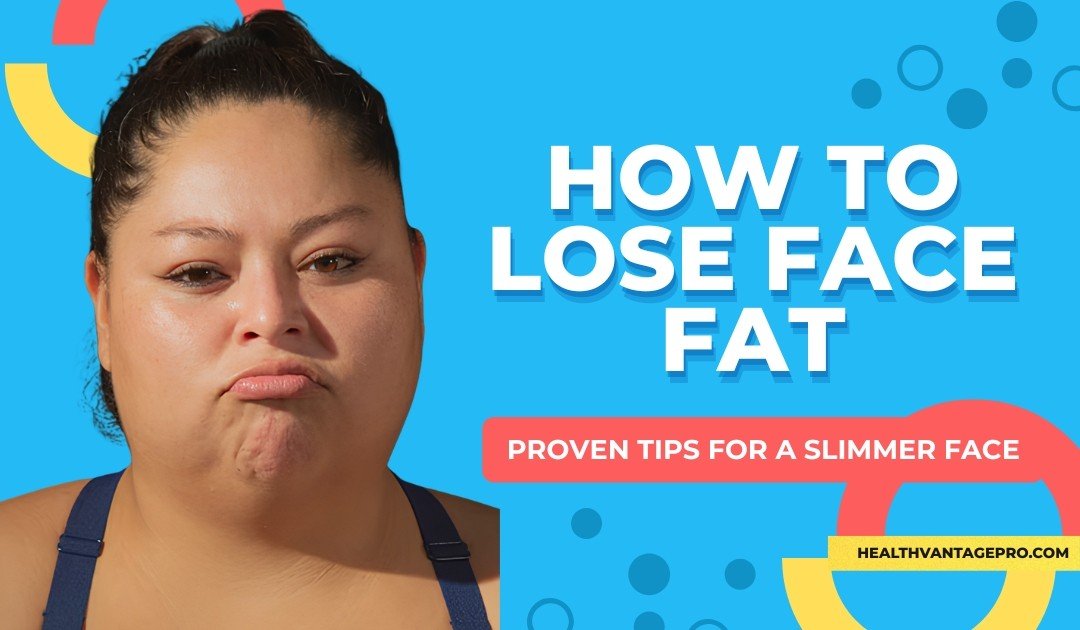
Some of the most common (and most frustrating) areas in which people see a change in their appearance after gaining weight are on their face, at the back of the neck and around the neck. The reassuring part is that you can’t fat burn off your face alone, but there are diet, exercises and lifestyle changes that have been proven to reduce body fat and as a result, trim down your face as well. Below is a science-based analysis of what is actually going to work, how long it realistically will take, and what to be wary of — and some particular notes for all those who wish to see results within 30 days — including some for men.
Can You Really Target Fat Loss in Your Face? (The Spot-Reduction Myth)
Before you can get to the tips, it’s important to discuss the most prevalent myth first: spot reduction, or fat loss in a specific area when needed, is not backed up by science. Fat cells are found throughout your body and when you’re working out or in a deficit, your body burns fat from several different “fat stores” instead of the specific area you’re focusing on or working. In order to lose fat from your cheeks and chin, it is important to do the endless “face workouts” with someone else.
What work is about, is focused on overall fat loss. If you lose fat as you change your diet, exercise, sleep patterns and hydration, your face is likely to get skinnier as well — but not apart from all your other body fat.
What Causes Face Fat and a Double Chin
There are other reasons for facial fullness apart from too many calories. In fact, Harvard Health Publishing says the distribution of fat changes with age, such as when fat can pad out in some places but not others — which is why some individuals may gain weight in their lower face, their jawline, or their double chin without gaining a lot of weight. Decreased metabolism, hormone changes, and thinning of the skin due to the loss of collagen also contribute, especially for those over 50.
In addition to the body fat percentage, genetics, water retention, sodium intake, alcohol consumption and the quality of sleep you get each night can all help to make your face look plump and puffy, or make it appear more full. If you’re looking for tricks on how to bring down fat on your face and double chin at the same time, this should be taken into consideration as some of this is actually fluid retention and will respond to other remedies (see sodium and hydration below).
Do Facial Exercises Actually Help You Lose Face Fat?
While there is no direct evidence that facial exercises work on fat, there is some that they can tone up the muscles of your face and give it a firmness as well, so it may look slimmer even if you don’t lose fat. In a small study published in the Journal of the American Medical Association (JAMA) Dermatology, a facial exercise regimen over several months in middle-aged women seemed to help with fullness and firmness in the middle and lower face. A part of another small study indicated that, after an eight-week exercise training program, muscle thickness in that region was increased after eight weeks due to facial muscle exercises performed in a short amount of time in the day.
However, the research into this area is still limited and are larger, longer-term studies required before facial exercises can be considered a proven fat loss exercise. They are also a good compromise with low risk and not a substitute for the more evidence-based strategies listed below. There are a couple of popular suggestions:
- Blow out your cheeks and blow from side to side for a few reps.
- Have a big, wide smile, and bite down on it for a few seconds at a time.
- Stretch your neck and press your tongue to the roof of your mouth to work the chin and jawline muscles.
Add Cardio and Strength Training to Slim Your Face
Facial slimming happens when fat is lost throughout the body, and aerobic exercise is one of the most effective tools that is at your disposal. A 2023 study of 60 women over a 12-week aerobic exercise program revealed significant decreases in body fat percentage, body weight, and waist circumference with increases in lean muscle. Other studies indicate that aerobic training is even more effective when combined with resistance (strength) training and a nutritious diet, and benefits include maintaining muscle mass — which becomes more important as we grow older, as muscle naturally decreases with age.
CDC suggests 150 minutes of moderate intensity aerobic activity and 2 days of strength training for adults each week. Walking, dancing, swimming, biking, and light resistance training are all included and they are great choices no matter your fitness level or age.
In the case of losing fat on the face, men are asking the most when it comes to this; since men tend to have more visceral and facial fat, the same rules apply: Regular aerobic exercise and resistance training, not spot exercises, are the keys to a visible change over time.
Diet Changes That Help Reduce Facial Fat
More of an impact on facial fat than any exercise routine is the type of food we eat. There are some specific changes that have been found in research that stand out:
Cut back on refined carbs
Processed carbohydrates (cookie, white bread, crackers, and many snack packages) are devoid of fiber and nutrients and contain high amounts of sugar and calories. Studies have shown that a diet rich in whole grain foods is less likely to lead to an increase in waist circumference and body fat over time than a diet high in refined carbohydrate foods. Switching out refined grains for oats, brown rice or quinoa is a quick and easy change that you can make and keep making.
Eat more fibre
The slow digestion of fiber increases fullness and can help lessen any bloated areas which may make you look puffy. Twenty-five studies were included in a big review that discovered a connection between the increased consumption of soluble fiber and a decrease in body weight and waist circumference. Fruits, vegetables, legumes, nuts, seeds and whole grains are good sources of fiber, which is recommended to get about 25-34 grams per day as per the current dietary guidelines in the United States.
Prioritize protein
Just as with the rest of your body, protein at each meal will help maintain muscle mass throughout the weight loss process, which can be important for your facial tone. This is particularly true if you don’t lose weight rapidly in a few days but only over a few weeks versus months.
Daily Habits That Cause (or Cut) Facial Puffiness
A big part of making a face look “fat” is actually fluid retention, and when considering how to lose face fat quick, it’s often the quickest thing to change — as the fluid can go away within days, while fat can only go away over time.
Watch your sodium
Processed or packaged foods are the main source of sodium in the diet, not the salt shaker. Too much sodium can be a leading cause of under-eye and facial puffiness. If you notice that the swelling appears to be from processed meats, salty snacks, and convenience foods, these can be seen to noteably alleviate the swelling within a few days.
Stay hydrated
Contrary to popular belief, increased water intake is actually beneficial to preventing puffiness, not triggering it as many people think; dehydration signals the body to conserve the water available and it may end up making the face appear fuller. Water also helps the body with its metabolism and skin elasticity.
Limit alcohol
Alcohol is high in calories, but low in nutrients, and functions as a diuretic, causing dehydration and causing water to be retained afterwards, which presents as facial bloating. According to the CDC, moderate drinking is defined as having no more than one drink a day for women or two drinks a day for men; after a while, you’ll notice a difference in how puffy your face is.
Prioritize sleep
When sleep is poor, it throws your hunger and fullness hormones (such as cortisol, leptin, ghrelin) out of whack, making it more likely to snack or overeat, and can even lower metabolism (including for the face) making it harder to keep fat burning. The Centers for Disease Control and Prevention (CDC) says adults should sleep for a minimum of seven hours a night.
How Fast Can You Lose Face Fat — Safely?
When considering how to get rid of face fat in a month, there are two things to differentiate: puffiness, which can be visibly reduced within days to a couple of weeks by reducing sodium intake, increasing water intake, cutting back on alcohol and getting better sleep and fat loss, which will take the same amount of time to reduce as fat loss throughout the body.
Health authorities, such as the CDC, typically advise losing weight at a slow rate of approximately 1 to 2 pounds a week to maximize the chances of maintaining that weight loss for the long-term. Attempting to burn off fat around the face in a short time period by crash diets or excessively low calorie intake will not only fail to leave the face in good condition, but it can also cause the exact opposite effect. Skin and underlying tissue don’t always keep up when rapid weight loss, even that from newer weight-loss drugs, happens quickly and can result in sagging faces or hollowed faces, which dermatologists sometimes call “Ozempic face.” A more gradual fat loss will help maintain a natural, even-toned complexion.
Bottom Line
You can’t spot reduce fat in the face, but the key to losing fat throughout your body — including your face- is a combination of regular cardio and strength training, a diet rich in fiber, lean protein and whole grains, and avoiding too much alcohol, salt, dehydration, and irregular sleep habits. These habits are more effective than facial exercises and should not be the sole remedy for toning. If a double chin or facial fullness remains after these adjustments or if you are concerned about your skin’s look and feel or your rapid weight loss, speak with your doctor or dermatologist about other possible treatments, such as other lifestyle changes or cosmetic procedures.
FAQ’S
Cardio, strength training and a diet rich in fibre and protein, and low in refined carbohydrates will help to lose fat in general, which is how a double chin develops. Reduce sodium and alcohol, and drink plenty of fluids to make it look less obvious. .
While a month would be enough to notice the difference in puffiness due to the reduction of sodium, increase in water, decrease in alcohol, and improved sleeping habits, it would be a short period of time for real fat loss. For realistic and sustainable weight loss, the CDC suggests a combination of strength training, cardio, and changes in diet that result in a gradual loss of 1-2 pounds per week.
Although the core strategies go for all, men can get quicker results by combining strength training with cardiovascular exercises as well, because it can aid them in maintaining muscle while reducing their body fat. Watching alcohol also helps — the CDC recommends moderate consumption of alcohol as 2 drinks a day for men, and sticking to those limits will reduce facial bloating.
Although the core strategies go for all, men can get quicker results by combining strength training with cardiovascular exercises as well, because it can aid them in maintaining muscle while reducing their body fat. Watching alcohol also helps — the CDC recommends moderate consumption of alcohol as 2 drinks a day for men, and sticking to those limits will reduce facial bloating.
Not on their own. Small studies indicate facial exercises may help to tone and firm the mid and lower face, giving it a slimmer appearance, but they do not result in fat burning like cardio, strength training and diet. They’re best used in conjunction with, rather than in place of.
Also Read