Mediterranean Diet Meal Plan: A Complete 7-Day Guide for Healthy Eating
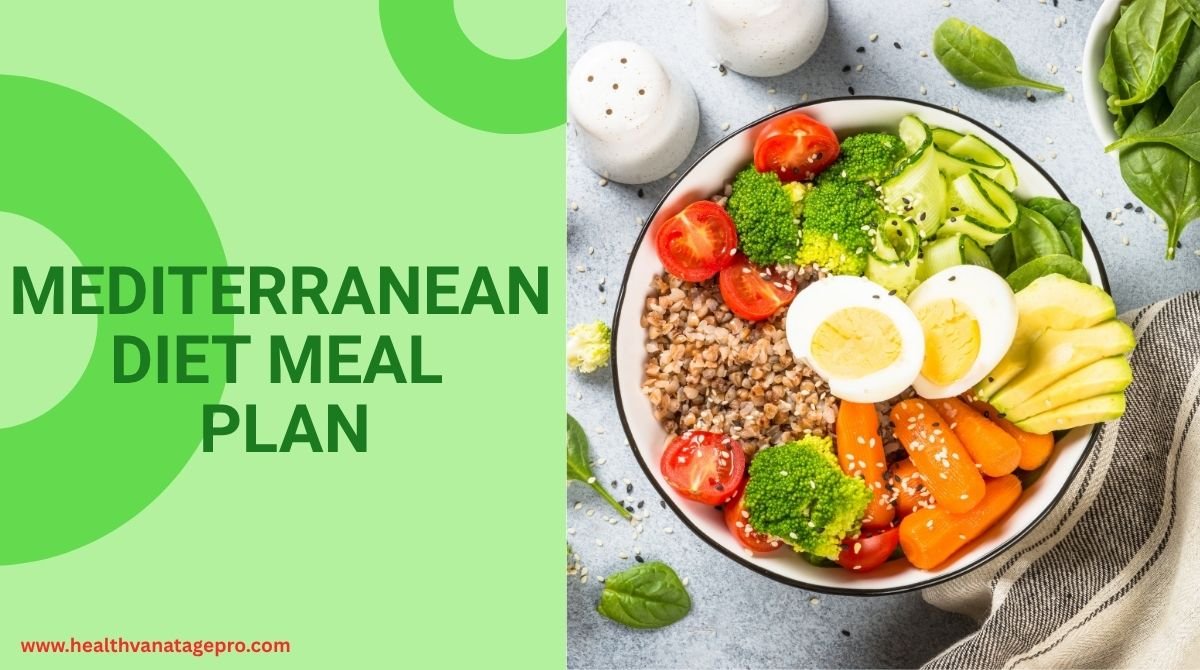
The Mediterranean diet meal plan is an easy-to-follow and flexible eating plan based on the traditional food habits of the countries that border the Mediterranean Sea. It focuses on vegetables, fruits, whole grains, beans, lentils, nuts, seeds, olive oil, fish, and other minimally processed foods. Rather than counting calories, it emphasizes balanced, nutrient-dense meals without excluding entire food groups.
What Is a Mediterranean Diet?
The Mediterranean diet follows the traditional eating patterns of Mediterranean people and is based mainly on plant foods: vegetables, fruits, legumes, whole grains, nuts, and seeds. Extra-virgin olive oil is the primary added fat. Fish and seafood are eaten regularly, while poultry, eggs, and dairy such as yogurt and cheese are consumed in moderation. Red meat, processed meat, sweets, and highly processed foods are generally limited. It is not a rigid diet plan but a flexible pattern for building balanced meals from nutrient-dense foods .
Mediterranean Diet Food List
| Food Group | Recommended Foods | How to Include |
| Vegetables | Spinach, broccoli, tomatoes, bell peppers, carrots, cucumbers, eggplant, cauliflower, cabbage, zucchini, green beans, leafy greens | Include vegetables at lunch and dinner, and add them to breakfast when possible. |
| Fruits | Apples, oranges, bananas, berries, grapes, pears, peaches, melons, pomegranates | Enjoy as snacks, add to breakfast, or combine with plain yogurt. Choose fresh fruit instead of processed fruit with added sugar. |
| Whole Grains | Oats, brown rice, quinoa, barley, whole-wheat bread, whole-grain pasta, whole-wheat roti, millets | Use whole grains as the main carbohydrate source. Indian options such as roti, oats, brown rice, and millets work well. |
| Legumes | Chickpeas, lentils, kidney beans, black beans, green peas, moong dal, masoor dal | Add to salads, soups, curries, grain bowls, and other meals for plant-based protein and fiber. |
| Nuts & Seeds | Almonds, walnuts, pistachios, chia seeds, flaxseeds, pumpkin seeds, sunflower seeds | Add small portions to yogurt, oatmeal, salads, or snacks. Because they are calorie-dense, moderate portions are recommended. |
| Fish & Seafood | Salmon, sardines, mackerel, trout, and other seafood | Include fish regularly as a protein source, particularly varieties rich in omega-3 fatty acids. |
| Olive Oil | Extra-virgin olive oil | Use for cooking, salad dressings, or dipping. Since olive oil is calorie-dense, keep portions moderate. |
Prior to making a Mediterranean diet meal plan, it is best to know what foods should be the bulk of your meals.
7-Day Mediterranean Diet Meal Plan
Below is a sample Mediterranean diet menu for a week, which you can use as a guide for your own. Servings should be adjusted to meet individual energy requirements and health goals.
Day 1
Breakfast: Plain yogurt, berries, and walnuts on oatmeal, flavored with cinnamon instead of added sugar.
Lunch: Chickpea and vegetable salad with cucumber, tomatoes, leafy greens, onions, and chickpeas, dressed with olive oil and lemon juice. Serve on whole-grain bread if preferred.
Snack: An apple with a small serving of almonds.
Dinner: Grilled fish with roasted vegetables and a serving of quinoa or brown rice, plus a side salad.
Day 2
Breakfast: Plain Greek yogurt with sliced banana, fruit, chia seeds, and a handful of nuts.
Lunch: Lentil and vegetable soup with whole-grain toast and a fresh salad.
Snack: A seasonal fruit, such as an orange.
Dinner: Sautéed chicken with roasted zucchini, bell peppers, tomatoes, and a small amount of brown rice.
Day 3
Breakfast: Whole-grain toast topped with avocado and tomato, served with fruit and a boiled egg.
Lunch: Mediterranean grain bowl with quinoa, chickpeas, tomato, cucumber, leafy greens, and a lemon-olive oil dressing.
Snack: Plain yogurt with walnuts.
Dinner: Baked salmon, steamed broccoli, and roasted potatoes with a green salad.
Day 4
Breakfast: Oatmeal with apple slices, walnuts, chia seeds, and cinnamon, with unsweetened milk or yogurt.
Lunch: Large vegetable salad with chickpeas, cucumber, tomatoes, peppers, olives, and a small amount of cheese, served on whole-grain bread.
Snack: Fresh fruit and a handful of pistachios.
Dinner: Lentils, vegetables, and brown rice, with roasted vegetables on the side.
Day 5
Breakfast: Greek yogurt layered with berries, sliced fruit, flaxseeds, and walnuts.
Lunch: Whole-grain pasta topped with tomatoes, spinach, vegetables, herbs, and olive oil; add beans or grilled chicken for extra protein.
Snack: A pear with a small amount of almonds.
Dinner: Grilled fish, quinoa, and a big mixed vegetable salad.
Day 6
Breakfast: Scrambled eggs with spinach, tomatoes, and onions, served on whole-grain toast with fruit.
Lunch: Chickpea and quinoa bowl topped with cucumber, tomato, leafy greens, and lemon-olive oil dressing.
Snack: Plain (non-fruity) yogurt.
Dinner: Grilled chicken or another healthy protein with roasted eggplant, zucchini, peppers, and brown rice.
Day 7
Breakfast: Oatmeal with banana, berries, chia seeds, and walnuts.
Lunch: Lentil salad with tomatoes, cucumber, leafy greens, onions, herbs, and olive oil, with whole-grain bread if desired.
Snack: An apple, orange, or seasonal fruit with some nuts.
Dinner: Baked fish or a protein of choice (plant-based options work too) with roasted vegetables and quinoa or whole-grain rice.
Mediterranean Diet Weight Loss Meal Plan
The Mediterranean diet can be adjusted to support weight management, though it isn’t a guaranteed weight-loss diet on its own — total food intake, portion size, physical activity, and sleep all play a role. A helpful plate guideline: fill half your plate with vegetables and legumes, a quarter with lean protein, and a quarter with whole grains, using moderate amounts of nuts, oils, and cheese for the remaining calorie-dense foods.
Mediterranean Diet Meal Plan for Vegetarians
A vegetarian Mediterranean diet can provide sufficient protein without meat and seafood by relying on legumes, dairy, eggs, nuts, seeds, and whole grains. A few simple vegetarian meal pairings to consider:
- A simple, nutritious chickpea salad on whole-grain bread
- Lentil soup and vegetables
- Greek yogurt topped with fruit and nuts
- Vegetables and beans in a grain bowl
- Whole-grain noodles with beans and vegetables
- Lentil salad and quinoa salad
- Whole-grain toast with vegetable omelets
Vegetarian Indian version: dal, chickpeas, rajma, vegetables, curd, whole-wheat roti, brown rice, and millets fit naturally, keeping the diet’s emphasis on plant foods intact.
Mediterranean Diet Snacks
Snacking isn’t required on the Mediterranean diet, but when hunger strikes between meals, nutrient-dense, minimally processed foods are the best choice.
- Fresh fruit
- Plain yogurt
- A small handful of nuts
- Carrot or cucumber sticks with hummus
- Fruit paired with nut butter
- Roasted chickpeas
- Whole-grain bread topped with avocado
Foods to Limit on a Mediterranean Diet
Nothing needs to be eliminated entirely, but foods with added sugar, unhealthy fats, or heavily processed ingredients are eaten less often.
- Sugary soft drinks
- Highly processed snacks
- Candy and sweets
- Refined grains
- Processed meats
- Excess red meat
- Deep-fried foods
- Sugary breakfast cereals
- Foods high in added sugar
- Highly processed, packaged meals
How to Start a Mediterranean Diet
It’s not necessary to take an all-or-nothing approach. Simple, gradual adjustments work well:
- Add more vegetables to lunch and dinner.
- Swap refined grains for oats, brown rice, quinoa, barley, or whole-wheat products.
- Incorporate legumes such as beans, lentils, and chickpeas into a few meals each week.
- Choose healthy fats — moderate amounts of olive oil, nuts, and seeds.
- Make fish a regular part of your weekly menu.
- Gradually replace processed snacks and sugary treats with fruit, vegetables, nuts, yogurt, or legumes.
- Make water your primary drink and limit sugary beverages.
Advantages of a Mediterranean Diet
The Mediterranean diet is popular for emphasizing a variety of healthy foods rather than strict rules. Its richness in vegetables, fruits, whole grains, legumes, nuts, and seeds supplies fiber and key nutrients, while unsaturated fats from olive oil, nuts, and fish take the place of many highly processed foods. Large studies including the Lyon Diet-Heart Study and the PREDIMED trial — link the pattern to meaningful cardiovascular benefits, including lower rates of heart disease, stroke, and cardiovascular mortality. Its anti-inflammatory and antioxidant properties are thought to contribute to these effects, alongside improvements in blood pressure, lipid profiles, and insulin sensitivity. As with any eating pattern, results vary and are best combined with physical activity, adequate sleep, and regular medical care.
Tips for Meal Planning
- At the start of the week, prepare a few simple ingredients that can be mixed into multiple meals.
- Cook a large batch of brown rice or quinoa, cook lentils or chickpeas, and wash and chop vegetables so salads, grain bowls, soups, and sides come together quickly.
- Build each meal from three components — vegetables, protein, and whole-food carbohydrates plus a source of healthy fat.
Conclusion
The Mediterranean diet isn’t a rigid plan it’s a way of eating built around simple, wholesome foods. The foundation is vegetables, fruits, legumes, whole grains, nuts, seeds, olive oil, and fish, with poultry, eggs, and dairy included in moderation and red meat, sweets, sugary drinks, and highly processed foods kept to a minimum.
The 7-day meal plan above is a starting point and should be adapted to individual food preferences, lifestyle, cultural eating habits, and nutritional needs. With variety and balance, a Mediterranean-style diet can become a sustainable everyday way of eating.
FAQ’S
Yes. It’s a flexible pattern that doesn’t require complicated recipes. A good starting point is eating more vegetables, fruits, whole grains, legumes, nuts, and seeds while cutting back on highly processed foods.
Yes — a vegetarian version built around lentils, chickpeas, beans, vegetables, whole grains, nuts, seeds, yogurt, and eggs fits the pattern well.
It can support weight management when combined with appropriate overall calorie intake and a healthy lifestyle; portion size and energy needs still matter.
Yes, particularly whole grains such as brown rice. Overall meal balance and portion size are the key considerations.
The overall Mediterranean-style eating pattern matters most, though olive oil is a defining element. Nuts and seeds are other sources of healthy unsaturated fat that support the same goals.
Also Read
How Many Calories Should I Eat a Day? Daily Calorie Intake Guide
References
[1] Mediterranean diet for heart health — Mayo Clinic — https://www.mayoclinic.org/healthy-lifestyle/nutrition-and-healthy-eating/in-depth/mediterranean-diet/art-20047801
[2] Mediterranean Diet: Food List & Meal Plan — Cleveland Clinic — https://my.clevelandclinic.org/health/articles/16037-mediterranean-diet
[3] Mediterranean diet for your heart — Mayo Clinic Health System — https://www.mayoclinichealthsystem.org/hometown-health/speaking-of-health/eating-for-your-heart-the-mediterranean-diet
[4] Barbería-Latasa & Martínez-González, “The Mediterranean diet and cardiovascular disease,” Cardiovascular Research (2025) — https://academic.oup.com/cardiovascres/article/121/16/2465/8317729
[5] Mediterranean Diet 101: What to Eat, Key Rules & Proven Benefits — Mayo Clinic Diet — https://diet.mayoclinic.org/us/blog/2025/mediterranean-diet-101-core-principles-and-proven-health-gains/
[6] The Mediterranean Diet, Its Microbiome Connections, and Cardiovascular Health: A Narrative Review — PMC — https://www.ncbi.nlm.nih.gov/pmc/articles/PMC11084172/
[7] Mediterranean Diet Effects on Cardiovascular Health — Nature Index — https://www.nature.com/nature-index/topics/l4/mediterranean-diet-effects-on-cardiovascular-health