

Pimple patches are tiny adhesive skincare patches that cover individual pimples. They are particularly favored by individuals looking to shield a breakout from touching, picking, and outside dirt, as well as assist in the healing process. The majority of traditional pimple patches contain one of the materials called hydrocolloid, which absorbs fluids from some kinds of pimples. Some newer patches also contain ingredients such as salicylic acid, tea tree oil, or niacinamide. For those who are looking for a pimple patch guide, here’s all you need to know about what it is, how to use it, the benefits of pimple patches, pimple patches for acne, overnight pimple patches, or the best pimple patches!
What is a Pimple Patch?
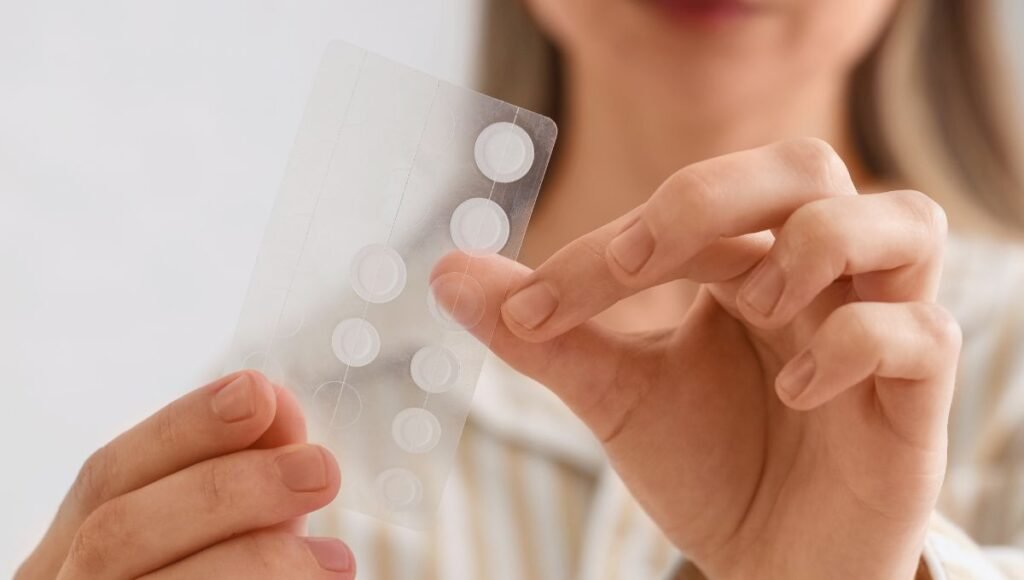
The pimple patch is a small adhesive patch that is put directly over a pimple. Conventional hydrocolloid patches form a seal over the affected skin and can absorb the fluid from the top-level acne. The patch also provides an actual barrier that may make it tougher to touch or pop the pimple. Pimple patches are primarily intended for treating a specific breakout, not for treating acne all over the face. Let’s see how Pimple Patches work!
Hydrocolloid patches for pimples do work by creating a moist environment with a protective barrier over the pimple. If the patch takes up fluid from a pimple on the surface, it will turn white or puffy. This does not necessarily mean that the patch has “pulled out” all the acne.
Pimple patches can also prevent the site from rubbing and help stop the chances of accidentally touching or popping the pimple. A few patches have other active ingredients and so may function in different ways to traditional hydrocolloid patches.
Pimple Patch Benefits
Planting Pimples away from people.Taking pimples off people’s hands. One major advantage of pimple patches is that it prevents the fingers from touching the pimple. It can be beneficial in case you make frequent contact with or pick your pimples.
- Helps Absorb Fluid: For some superficial pimples, the hydrocolloid patches can absorb fluids. That is why they’re frequently best for blemishes that have burst or already have a slight opening.
- May diminish the look of a pimple: Some of the small pimples may have a more subdued appearance or feel less swollen after wearing an appropriate patch. During a breakout, results will differ with the type and stage of the breakout.
- Helps Prevent Picking: An acne pustule that has been plucked may become more irritated and make the spot more susceptible to leaving marks. A patch is a physical reminder to not touch the affected area.
- Creates a Protective Barrier: The patch will help the pimple stay clear of dirt, rubbing, and accidental contact. This will be helpful, especially at night or while you’re napping.
Pimple Patch for Acne
The pimple patch for acne is best for single pimples, not for acne. Hydrocolloid patches can affect:
- Whiteheads
- Surface-level pimples
- One can see fluid in pimples
- Small inflamed spots
They typically don’t work as well for:
- Deep cystic acne
- Nodules
- Blackheads
- Widespread acne
- Under-the-skin bumps
Simple hydrocolloid patches can be used for simple acne, but may not be effective for deep acne, as these acnes are located beneath the skin.
Best Pimple Patches
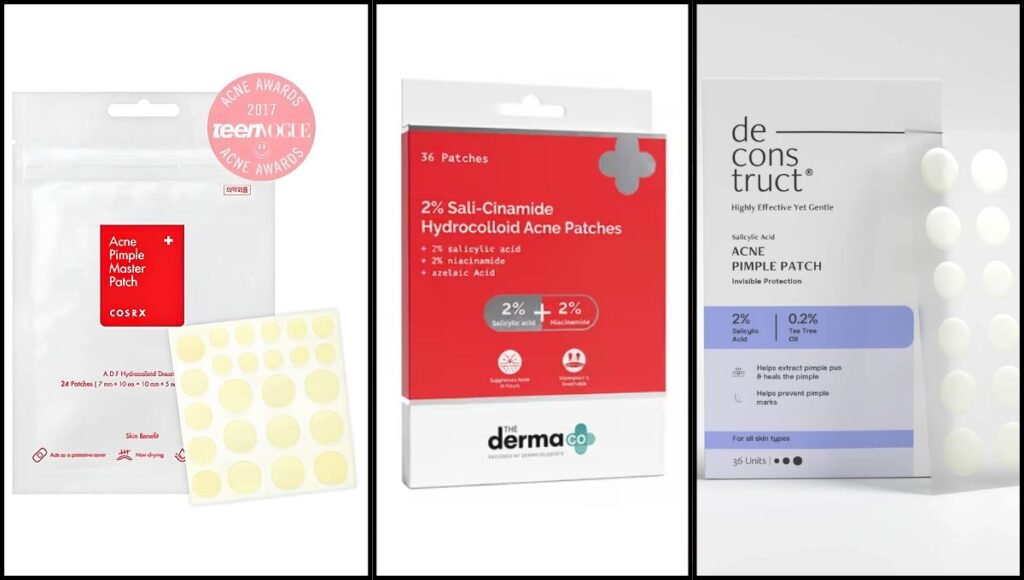
There are many pimple patches available, with different materials and active ingredients.
| Pimple Patch | Type | Best For | Approx. Price |
| COSRX Acne Pimple Master Patch | Hydrocolloid | Whiteheads and surface pimples | ₹250–₹400 |
| The Derma Co 2% Salicylic Acid Pimple Patch | Hydrocolloid + Salicylic Acid | Acne-prone skin | ₹300–₹500 |
| Minimalist Hydrocolloid Acne Pimple Patches | Hydrocolloid | Individual pimples | ₹300–₹400 |
| Suganda Hydrocolloid Acne Patches | Hydrocolloid | Small breakouts | ₹250–₹400 |
| Nexcare Acne Absorbing Covers | Hydrocolloid | Surface-level pimples | ₹300–₹500 |
Prices are approximate and may vary depending on pack size, retailer, discounts and availability.
How to Use Pimple Patch
The proper usage of pimple patches is easy to master.
In this step, you will cleanse your face.
- Step 1: Clean Your Face. Use a mild facial cleanser to wash your face. Keep the area where the pimple is clean and dry.
- Step 2: Do Not Apply Heavy Products Under the Patch. Read the next page to your child. Don’t place moisturizer, facial oil or other thick substances right under the patch. The area of skin on which the patch is placed must be clean and dry.
- Step 3: Apply the Patch. Select a patch that covers the entire pimple. Press firmly on the skin face down so that it adheres to the skin.
- Step 4: Leave It on. Read the instructions on the packaging of the product. There are a number of hydrocolloid patches that can be worn for several hours or overnight.
- Step 5: Remove the patch. Wash hands before taking off the patch. Gently remove it and clean off if necessary. If a patch does not heal, it may be used again following the directions on the patch.
Pimple Patch Overnight
A favored method of using the pimple patch is the overnight patch. Apply to clean and dry skin before bedtime and wear for the recommended amount of time by the manufacturer. It is convenient to use overnight because the patch will protect the pimple during sleep, and will minimize the risk of touching it. But more than recommended wearing of patch does not necessarily mean more effective results.
Pimple Patch Side Effects
The side effects of pimple patches are potentially:
- Redness
- Itching
- Irritation
- Dryness
- Skin sensitivity
- Adhesive reactions
If a patch is causing a lot of irritation, take it off and do not use the product anymore. Individuals with adhesive allergies and highly sensitive skin should review the ingredients prior to use.
Hydrocolloid Pimple Patch vs Medicated Pimple Patch
Hydrocolloid Pimple Patch
The traditional hydrocolloid patch mainly acts as a barrier and absorbs water. Many times it can be used effectively for superficial acne and whiteheads.
Medicated Pimple Patch
Medicated patches can include active ingredients like salicylic acid or other ingredients that target acne. These products offer extra benefits in skin care apart from absorbing fluids. Some active ingredients, though, add to irritation, particularly when used with other acne treatments.
How Long Should You Leave a Pimple Patch On?
The recommended wearing time depends on the product. Numerous hydrocolloid patches last for numerous hours or all night long. Follow all instructions on packaging. Normally, if a hydrocolloid patch has absorbed fluid, it will be white or cloudy in the middle. Carefully take it off and use another patch if needed.
Is a Pimple Patch compatible with Skincare Products?
For best results, a hydrocolloid pimple patch should be placed on dry and clean skin. Applying moisturizer, oil for the face, or other substances under the patch could diminish the effectiveness of the patch’s adherence. For a medicated patch, follow the directions of the product.
Pimple Patch vs Acne Cream
The use of pimple patches and acne creams is very different. A patch for pimples will primarily serve to protect and cover a single pimple area. Active ingredients in acne creams can be formulated for the treatment of acne in general. If you just have a few spots that need to be covered up, patches can be helpful. If a person has frequent or persistent acne, a larger treatment regimen will be more suitable.
Conclusion
Pimple patches are a great treatment for individual lesions – particularly whiteheads or superficial pimples. Hydrocolloid patches are capable of absorbing fluid and provide a barrier to contact and picking. These are not very helpful for people with deep cystic acne or extensive acne eruptions, because these can occur underneath the skin. To get the best results, apply a pimple patch to clean, dry skin and follow the directions on the label. If you experience frequent, painful, or persistent acne, a dermatologist can help identify the appropriate treatment.
FAQs
A1. Yes, a hydrocolloid patch can help keep fluid in check and absorb it from some superficial pimples, particularly whiteheads.
A2. They may help make some of the surface pimples less noticeable or flatter overnight, but they aren’t guaranteed to remove the pimple entirely.
A3. Yes, they are safe for regular use on individual pimples as long as the adhesive is well tolerated by the skin.
A4. With deep cystic acne that forms under the skin, standard hydrocolloid patches are less effective.
Also Read: Retinol Serum: Benefits, Uses, Side Effects and the Right Way to Apply It