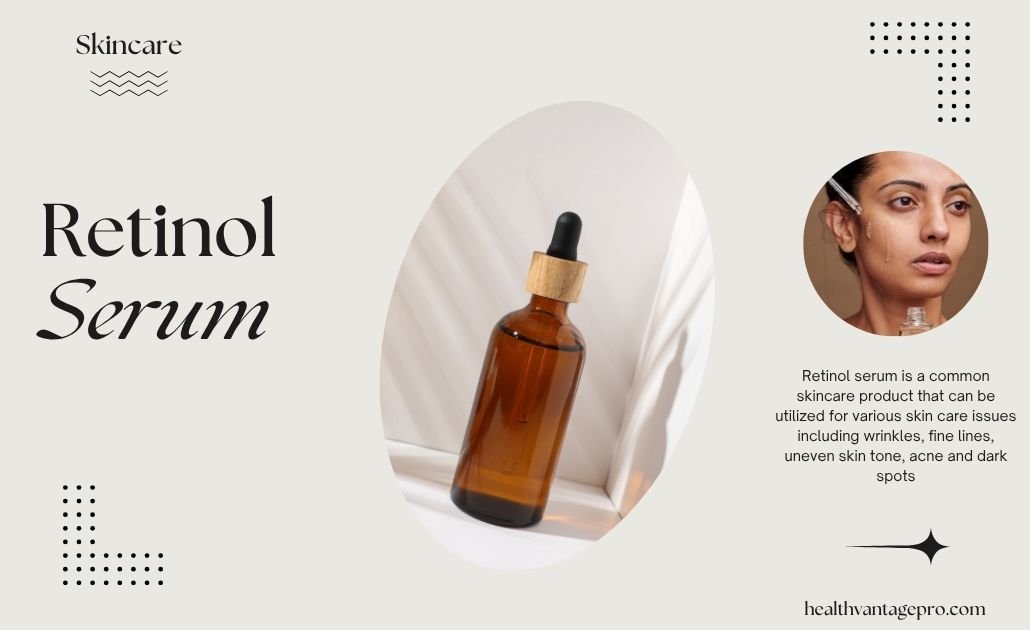
Retinol serum is a common skincare product that can be utilized for various skin care issues including wrinkles, fine lines, uneven skin tone, acne and dark spots.
Retinol is a form of vitamin A that is closely related to retinoids, and it’s a popular ingredient in skin care due to its ability to promote collagen production and boost skin cell turnover.
Retinol works well, but it’s a potent ingredient too. Excessive use or the use of too many frequently can lead to dryness, peeling and irritability. A progressive method is thus crucial, particularly for the new player.
If you are looking for the best retinol serum, you may want to know about the retinol serum benefits, or you may want to know more about retinol serum for acne, dark spots, oily skin, dry skin or beginners, then this guide will provide you with all this information and tell you how to use retinol serum safely.
What is retinol serum?
Retinol serum refers to the topical skin care product that is made up of Vitamin A derivative, retinol. Retinol is metabolized into active retinoic acid when applied to the skin.
One of the best studied ingredients for the treatment of acne and the alleviation of signs of photoaging, retinoids are. Retinol is usually found in cosmetic skin care products, but higher concentrations of retinoids might need medical attention depending on the product and location.
Retinol requires time to work so it is more crucial to use it regularly, rather than use a large amount of it in one application.
Retinol Serum Benefits for Face
Smoothing out fine lines
One of the prominent uses of retinol serum is to improve the appearance of fine lines and wrinkles. Retinoids can boost the production of collagen in the skin and affect how they work, which can help them look smoother over time.
Supports Collagen Production
Collagen is important for the firmness and structure of the skin. The use of retinoids to stimulate processes associated with collagen has been studied extensively. They may thus help to enhance the look of fine lines and skin texture in case they are used routinely.
Promotes Skin Moisture
Retinol can help to repair the appearance of irregular pigmentation by boosting skin cell turnover. This can help the skin look more even and smoother in the long run.
Enhance the texture of the skin
It may help the skin look smoother if it is rough and uneven.It can help smooth rough as well as uneven appearing skin where used regularly. It can also contribute to enhancing the general look of pores and uneven skins with the passage of time.
May help to minimize dark spots
Retinol may help in a number of individuals who have concerns and anxiety about post-acne marks and uneven pigmentation.
A dark spots retinol cream may aid skin regeneration, but there are numerous causes for pigmentation. Sunscreen is always the most important when treating dark spots.
5 Best Retinol Serums in India
The best retinol serum depends on your experience level, skin type and the strength of the product.
| Retinol Serum | Key Ingredients | Best For | Approx. Price |
| Minimalist 0.3% Retinol Serum | 0.3% Retinol | Beginners | Around ₹600 |
| The Ordinary Retinol 0.2% in Squalane | 0.2% Retinol | Retinol beginners | Around ₹700–₹900 |
| The Derma Co 0.3% Retinol Serum | 0.3% Retinol | Beginners and anti-aging | Around ₹500 |
| Olay Retinol 24 Night Serum | Retinoid complex and supporting ingredients | Anti-aging and dry skin | Around ₹1,500–₹2,000 |
| Plum 1% Retinol Serum | 1% Retinol | Experienced retinol users | Around ₹700 |
Prices are approximate and can vary depending on product size, retailer, discounts and availability.
Retinol Serum for Beginners
Beware, if you are new to retinol, introduce it gradually.
- It is recommended that a retinol serum for beginners contain less retinol and a simpler formulation.
- Use retinols first or second night a week and slowly increase up to nightly use. Skin-tolerant, you can progress in use.
- Don’t start off using retinol every night. In some cases, it may be better to use it less often, as it may cause irritation with repeated use.
Retinol Serum for Oily Skin
Retinol serum for oily skin may be advisable for individuals who suffer from excess oil, clogged pores or acne.
Retinol can also aid to boost the turnover of skin cells and clear up the clogging of pores. For oily skin, opt for a lighter serum, and then finish the look with a moisturizer.
The simple routine is:
- To remove the impurities from the skin, use a cleanser, then a retinol serum and finally a moisturizer.
- Retinol is usually introduced during nighttime.
Retinol Serum for Dry Skin
Retinol is okay for those with dry skin, but should be used with caution since retinol can cause dryness and peeling.
Retinol skin oil for dry skin can be mixed with any mild moisturizer to help mitigate discomfort. If the skin is very sensitive, the moisturizer can be used before the retinol. This is sometimes referred to as the sandwich technique.
Moisturizer → Retinol → Moisturizer
This method can help newbies tolerate retinol with fewer adverse reactions.
Retinol Serum for Acne
Retinoids are a tried-and-tested acne treatment ingredient that helps prevent clogged pores and normal skin cell turnover. Retinol serum is a treatment that’s suitable for use with mild acne and post-acne issues but should not be a substitute for acne treatment. A dermatologist can prescribe the right treatment for you if you experience painful, widespread or long-lasting acne.
Retinol Serum for Dark Spots
- Over time, retinol can work to evade gloomy spots by stimulating skin turnover and lessening clumpy pigmentation.
- A retinoid prescription, however, may not be as effective if applied without a sunscreen.
- When using retinol serum to treat dark spots, apply a broad-spectrum sun cream each morning.
How to Use Retinol Serum
It is crucial to learn how to use retinol serum, especially if it is used incorrectly and may lead to irritation.
Step 1: Clean Your Face
- Use a mild soap on your face, and pat it dry.
- For sensitive skin, try to apply retinol 20 minutes after washing.
Step 2: Apply Retinol
- Apply a small dose of retinol serum. When using a cream or serum for the face, a pea-sized amount should be sufficient for the entire face.
- Do not use on the eyelids, corners of the nose or lips (unless stated to be suitable for these areas).
Step 3: Apply Moisturizer
- Apply a moisturizer after retinol to help maintain a healthy skin barrier and minimise dryness.
- Step 4: Apply Sunscreen .
- Retinol is not a substitute for sunscreen. Apply wide-spectrum sunscreen in the morning.
How many times a week should retinol be used?
- Use once a week or twice a week if you are a beginner. Once the skin has adapted to it, it can be applied every other night. Eventually, some use retinol more often, depending on the instructions on the product and tolerance level of their skin.
- Reduce frequency if the peeling, burning, and/or redness are significant.
Retinol Serum Side Effects
Retinol is capable of irritating the skin, especially in the initial weeks.
Common side effects of retinol serum are:
- Dryness
- Peeling
- Redness
- Stinging
- Burning
- Itching
- Increased sensitivity
Doing so increases the odds of these reactions occurring, particularly when beginning with a high concentration or using retinol too often. In case of intense irritation, discontinue use and give skin time to heal. If symptoms are more severe or persistent, please consult a medical expert.
Is it safe to use retinol on a daily basis?
Retinol isn’t a product everyone should take daily. For beginners, always begin at low levels and gradually work up to getting it more frequently. Retinol use nightly is not required to reap the rewards, however it can cause irritation as well if made use of beyond healthy amounts.
Is it safe to use retinol with Niacinamide?
Yes. Addition of retinol and niacinamide is allowed. Niacinamide can help maintain the integrity of the skin barrier and can make retinol more tolerable for individuals.
One evening activity is: Cleanser followed by niacinamide serum, followed by retinol and then moisturizer. When first using both ingredients, add one at a time.
Retinol Serum and Sunscreen
When using retinol, sunscreen is particularly crucial. For some individuals, retinol will make their skin more prone to irritation and environmental exposure. Most important of all, UV rays cause photoaging and pigmentation. Apply an all-purpose sunscreen each morning, even if you are not applying retinol.
Who should avoid Retinol?
Generally, retinoids should not be used during pregnancy due to risk to fetus. Don’t use a retinol product if you are pregnant, trying to get pregnant or breastfeeding; talk with your doctor or dermatologist first.
Individuals with sensitive or irritated skin should also be careful when applying retinol. If you suffer from a damaged skin barrier, rosacea, or eczema, you may want to seek advice from a professional before beginning retinol treatments.
How to choose best To retinol serum
Consider the Strength
For starters, they should opt for a less potent compound. Higher strength may be tolerated by experienced users as well, but may also be more irritating.
- Always check your skin type
- If you have oily skin types, you may prefer the lighter textures.
- If you have dry skin, check the moisturizers for oils and use a good moisturizer along with retinol.
Check the Packaging
Retinol is light and air sensitive. Product can be kept in good shape by proper packaging and storage.
Look at Additional Ingredients
Complement a retinol intended product with ingredients like niacinamide, ceramides, glycerin and hyaluronic acid to support hydration and skin barrier.
Conclusion
Retinol serum is a very potent skin care product that can help you enhance the condition of your skin with regards to wrinkles, fine lines, acne, hyper pigmentation, uneven skin tone and dull, bumpy skin.
When novice with retinol, begin gradually, applying it no more than once a week. gradually increase the frequency as the skin adjusts. Moisturize after using retinol and apply sunscreen each morning.
However, when it comes to retinol serum for beginners, oily skin, dry skin, acne and dark spots, pick the one suitable to your skin and tolerance, not the highest concentration.
Do not use retinoid products if you are using a medication that contains retinoids or have severe acne, skin irritation, or are pregnant or planning pregnancy.
FAQ’S
Yes. Retinol can help to treat fine lines, skin tone texture, acne and acne.
Over time, retinol can help diminish dark spots, particularly if it is paired with regular sunscreen application.
Yes. It is recommended for beginners to use it lower concentration and once or twice a week until increased in use up to a regular more frequent basis.
Retinol can be applied more often once the skin has acclimatized, but it’s not essential for all of them to use it every day.