

Osteoarthritis causes are commonly related to gradual transformations and damage within the tissues that form a joint. OA is the most common type of arthritis, and it can affect different parts of the body such as the knees, hips, the hands, the spine, and other joints. Osteoarthritis involves the gradual transformation of the joint, which can lead to the development of pain, stiffness, and difficulties with movement.
Although osteoarthritis is frequently referred to as “wear and tear”, the disease has a more complex nature and can develop due to various reasons. Age, joint injuries, being overweight, genetic predispositions, stresses on joints, and other factors can contribute to OA development.
What Is Osteoarthritis?
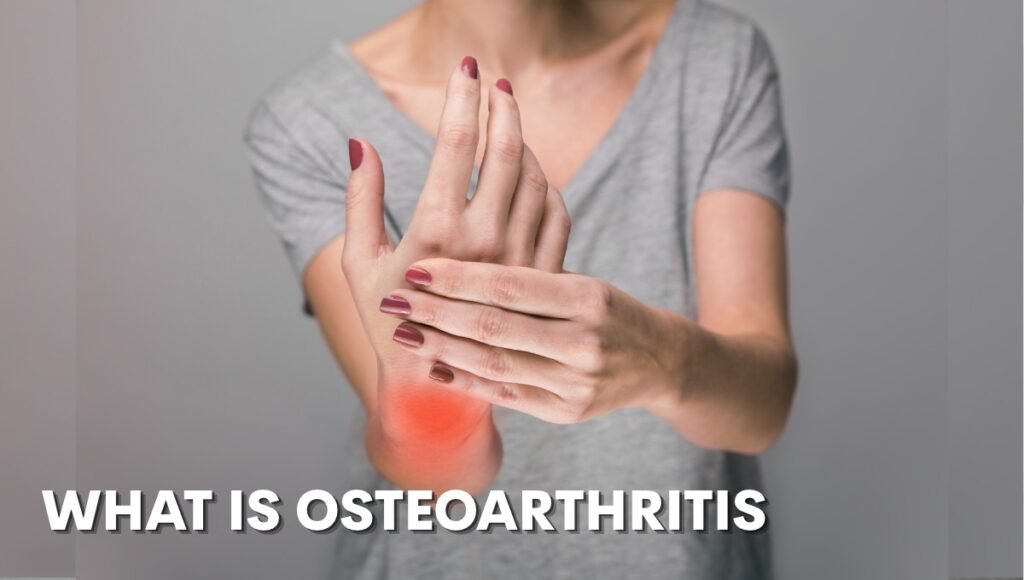
Osteoarthritis is a chronic disease affecting the joint tissues, and it is characterized by gradual transformations within the joints. Cartilage can be damaged, resulting in abnormal joint surface interactions. Additionally, the joint bones, membranes, and other tissues can also change, contributing to OA development. The condition can affect different joints, most commonly the knees, hips, hands, the spine, and others. It can develop in one or multiple joints, gradually, with few symptoms or more quickly with significant tissue damage. It has a varied clinical presentation, and the development of particular symptoms depends on the affected joint or joints and the progression of the condition.
Main Causes of Osteoarthritis
There is usually no particular cause of osteoarthritis because it is a complex disease that can develop due to multiple reasons. However, most commonly, it can develop due to the following factors:
Aging
As people grow older, the tissues and structures of their joints gradually transform. The joint cartilage becomes less flexible and can rarely repair itself. Joint function can also change, leading to OA development. Although OA commonly affects older people, it can rarely affect younger ones.
Previous Joint Injury
An injury to a joint can lead to OA development, especially if it affects the joint structures such as cartilage, ligaments or bones. The way a joint is built or moves can also change following the injury, altering normal joint biomechanics. For example, an injury to the knee can alter how it functions and distributes stress, leading to OA development. The condition can also affect the joints that were previously surgically treated.
Excess Body Weight
Excess weight can significantly contribute to OA development because overweight puts extra pressure and stress on the weight-bearing joints, especially the knees and hips. Moreover, it can have an impact on the overall inflammatory state and metabolic processes within the body, affecting the joint tissues. A healthy diet and regular exercise are crucial for the maintenance of a healthy weight.
Repetitive Joint Stresses
Constant use of a joint can also lead to OA development. It is considered to be a risk factor for developing the condition. As a result, people whose job or hobby involves repeated stresses to a particular joint have a greater chance of developing OA. Moreover, it can also develop due to various sports injuries that affect joints.
Genetics
The development of OA can be affected by the genetic makeup of a person. Having a blood relative with the disease can increase the chances of developing it. Genetic factors are involved in the structural characteristics of one’s joints. Therefore, having weak or deformed joints can also contribute to OA development.
Joint Structure and Alignment
Irregularities in the structure of a joint can contribute to its irregular use and uneven distribution of pressure. As a result, particular tissues and structures of the joint can be affected more than others, leading to their gradual damage and OA development. Some people are born with irregular joints, while some people acquire them due to injuries.
Muscle Weakness
Muscles play a major role in joint stabilization. The stronger the muscles are, the better a joint is supported during movements. Consequently, weaker muscles can increase the risk of developing OA as a result of inadequate joint stabilization. For example, weak muscles around the knee can lead to abnormal knee biomechanics and subsequent OA development. Appropriate exercise and muscle strengthening are a crucial part of managing the condition.
Common Risk Factors for Osteoarthritis

Several factors can increase the likelihood of developing osteoarthritis.
| Risk Factor | How It May Contribute |
| Increasing age | Joint tissues change over time |
| Previous injury | Can damage or alter the joint |
| Excess body weight | Increases stress on weight-bearing joints |
| Repetitive movements | Creates repeated mechanical stress |
| Family history | Genetic factors may increase susceptibility |
| Joint abnormalities | Can affect force distribution |
| Muscle weakness | May reduce joint support |
| Certain joint diseases | Can damage joint structures |
Having one or more risk factors does not mean that a person will definitely develop osteoarthritis.
Osteoarthritis Symptoms
Osteoarthritis signs and symptoms can vary depending on the affected joints as well as the progression of the disease.
- Joint Pain: Pain is generally more prominent as the condition progresses and can develop during or after activity, often improving with rest, especially during the early stages of the disease.
- Swelling: Some people with osteoarthritis experience swelling around a joint. The changes inside the joint can lead to fluid collection or inflammation of the tissues surrounding the joint.
- Reduced Range of Motion: Loss of the ability to move a joint through its full range, making tasks such as stair climbing, walking, gripping objects, or knee bending difficult, depending on the affected joints.
- Grinding or Clicking Sounds: Some people hear or feel a clicking, grinding, or crackling sensation when moving a joint affected by osteoarthritis.
- Tenderness: This involves pain or discomfort in the area of the affected joints when touched.
Types of Osteoarthritis
Osteoarthritis of the Knee
The knee is one of the joints most commonly affected by osteoarthritis. Symptoms of knee osteoarthritis can include pain during walking, climbing stairs, or standing as the disease progresses. People with osteoarthritis of the knee may also find it challenging to perform everyday tasks as the condition impacts knee movement and causes stiffness.
Osteoarthritis of the Hip
Symptoms of hip osteoarthritis can involve pain around the hip, groin, thigh or buttock. Pain tends to increase with activity while stiffness makes it difficult to perform tasks such as putting on shoes, getting in and out of a car, or climbing stairs.
Osteoarthritis of the Hands
Hand osteoarthritis can produce pain, stiffness, and swelling of the fingers and thumb. It can also cause changes to the affected joints, making it hard to open jars, write, and grip objects.
Osteoarthritis of the Spine
The spine can also be affected by osteoarthritis and cause neck or back pain as well as stiffness. In some cases, changes to the spine can put pressure on nerves and lead to symptoms such as numbness and weakness. These symptoms should be evaluated by a healthcare professional.
How Is Osteoarthritis Diagnosed?
Diagnosis is generally made by healthcare providers using a combination of medical history and physical examination to rule out other possible conditions. The doctor can evaluate joint mobility and determine if there is pain, swelling, and instability.
In addition, imaging tests such as X-rays are sometimes used to determine the extent and location of the damage and can aid in the diagnosis. Blood tests are not typically used to diagnose osteoarthritis, but may be ordered to rule out other forms of arthritis and conditions.
Osteoarthritis Treatment
There is currently no cure for osteoarthritis, but the condition can be effectively managed by healthcare providers to reduce symptoms and promote normal function.
Exercise and Physical Activity
The right type and amount of physical activity are key components in the management of osteoarthritis. Exercise can strengthen the muscles, increase flexibility, and improve the overall physical condition. Low-impact activities such as walking, cycling, and swimming are generally appropriate, while high-impact and high-intensity exercises are not recommended.
Weight Management
Losing weight can reduce the stress on weight-bearing joints and improve symptoms and physical function. Weight loss has been shown to be effective for people living with knee osteoarthritis.
Physical Therapy
A physical therapist can help create a customized exercise program that addresses the affected joints, symptoms and the overall level of physical activity. The program can include strengthening exercises, flexibility training, balance, and movement.
Medicines
Healthcare professionals may prescribe drugs to control pain and reduce joint inflammation. These can include topical or oral pain-relieving medications and anti-inflammatory drugs. Not all drugs are appropriate for everyone, especially those with kidney disease, heart problems, and digestion issues.
Injections
Injections may be an option in some cases, especially when there is persistent pain. Depending on the affected joint, healthcare professionals may recommend different types of injections.
Surgery
Surgery may be considered in severe cases and when other treatments are ineffective. It is typically reserved for people with persistent pain that greatly impacts function. Joint replacement surgery is a common procedure in people living with severe hip or knee osteoarthritis.
How to Prevent Osteoarthritis
Although osteoarthritis cannot always be prevented due to various risk factors that can be controlled, there are steps that people can take to reduce the impact on the joints.
- Maintain a Healthy Weight: Keeping the body mass at a healthy level reduces the stress on weight-bearing joints.
- Exercise Regularly: Regular physical activity supports the function of the joints and muscles.
- Protect Your Joints: Exercising safely during sports and other activities can reduce the risk of injuries. Protective equipment such as kneepads can also be worn.
- Treat Joint Injuries Properly: Proper treatment can prevent long-term problems such as osteoarthritis. Never ignore a serious injury and allow it to heal on its own.
- Strengthen Supporting Muscles: Exercises that target the muscles around a particular joint can strengthen it and reduce the risk of osteoarthritis.
When Should You See a Doctor?
You should see a doctor if joint pain persists for several weeks or is gradually worsening. You should also seek medical attention as soon as possible if a joint becomes severely swollen, red, or hot or if you develop a fever or are unable to move the joint after an injury. Sudden severe joint symptoms should not be assumed to be osteoarthritis. In fact, there are many other potential causes.
Conclusion
The causes of osteoarthritis are usually a combination of aging, joint injuries, obesity, overuse, genetics, joint abnormalities, and other factors. Osteoarthritis can affect the knees, hips, hands, spine, and other joints and can lead to pain, stiffness, and reduced mobility. Although osteoarthritis cannot be prevented in all cases, it is possible to reduce the risk and slow the progression by maintaining a healthy weight, exercising regularly, strengthening the muscles around the joints, and protecting the joints from injury. Healthcare professionals can also help manage osteoarthritis and promote better function.
FAQs
A1. There are usually multiple causes, including aging, obesity, overuse, genetics, injuries, and joint abnormalities.
A2. Yes, previous injuries can increase the risk of osteoarthritis in the affected joints.
A3. Being overweight places additional stress on the weight-bearing joints and increases the risk of osteoarthritis.
A4. There is currently no cure for osteoarthritis, but treatment can control the symptoms and improve overall function.
A5. Exercise can be beneficial to many people living with osteoarthritis because it strengthens the muscles and promotes better function. The exercise should be selected with caution and should only be as intense as tolerated.
Also Read: Shoulder Pain: Causes, Symptoms, Treatment, and Prevention