
Diabetes diagnosis is the process of determining if a person’s blood glucose level is higher than the normal range. Diabetes occurs when the body is unable to produce a sufficient amount of insulin or cannot use insulin properly, leading to increased glucose in the blood. Some people develop noticeable symptoms such as excessive thirst, frequent urination, unexplained weight loss, fatigue, and blurred vision. However, type 2 diabetes can develop very gradually without any noticeable symptoms, and therefore it is important to do regular testing. This article will provide complete information about Diabetes diagnosis.
What Is Diabetes Diagnosis?
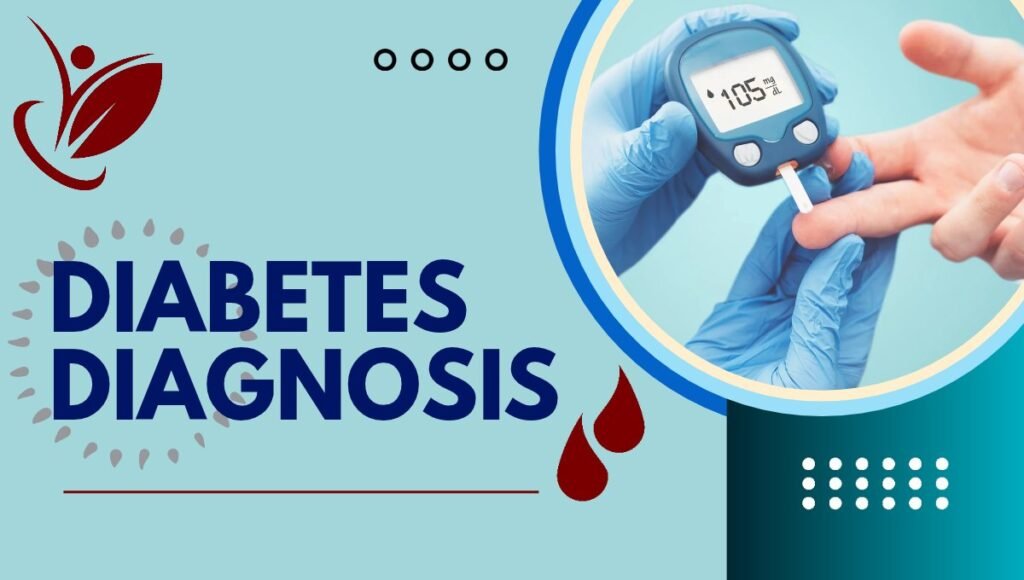
Diabetes diagnosis is the process of using blood tests and medical evaluation to determine whether a person has diabetes or prediabetes. A doctor takes into account a person’s symptoms, health history, risk factors, and laboratory tests before making a diagnosis. The main tests used for diabetes diagnosis are HbA1c, fasting plasma glucose, oral glucose tolerance test, and random plasma glucose. Each test measures blood glucose in different ways. In people with no obvious symptoms, an abnormal diabetes range result usually needs a repeat test or another diagnostic test. Early diagnosis is crucial since high blood glucose, if left untreated, can gradually damage blood vessels, nerves, kidneys, eyes, and other organs.
Symptoms of Diabetes
- Frequent Urination: Frequent urination is amongst the common symptoms associated with high blood glucose. When the level of glucose in the blood is too high, the kidneys work to remove extra glucose via the urine, thus causing an increase in urine production.
- Excessive Thirst: Increased urination causes the body to lose water, thus resulting in a person feeling particularly thirsty and drinking more than usual.
- Increased Hunger: Some people with diabetes experience increased hunger even when they eat. This can occur because the body is unable to use glucose when there is not enough or when the body does not respond properly to insulin.
- Unexplained Weight Loss: Unintended weight loss can occur if the body is unable to use glucose for energy. The body uses stored fat and muscle instead of glucose for energy.
- Fatigue: High blood glucose can be associated with tiredness or low energy. Fatigue can occur because the body is unable to utilize glucose properly.
- Blurred Vision: High blood glucose can impact the fluid levels in the eye and temporarily affect vision. Continuous or sudden vision changes should be evaluated by a healthcare professional.
- Slow-Healing Wounds: People with diabetes experience slower healing of wounds, especially when blood glucose is high for a long period of time.
- Frequent Infections: Repeated infections, including some skin, urinary tract or other infections, can sometimes occur in people with diabetes.
How Is Diabetes Diagnosed?
Doctors use certain blood glucose tests to diagnose diabetes. The type of test used depends on the person’s symptoms, health history, and clinical situation.
HbA1c Test
The HbA1c test is used to measure the percentage of hemoglobin that has glucose attached to it. It gives an indication of average blood glucose over approximately the past two to three months. An HbA1c level below 5.7% is considered normal, while 5.7% to 6.4% indicates prediabetes and 6.5% or higher is in the diabetes range. One advantage of the HbA1c test is that fasting is not usually necessary.
Fasting Blood Glucose Test
A fasting blood glucose test is a test that measures blood glucose after a person has not eaten for a certain amount of time, typically at least eight hours. The usual ranges are:
| Fasting Blood Glucose | Interpretation |
| Below 100 mg/dL | Normal |
| 100–125 mg/dL | Prediabetes |
| 126 mg/dL or higher | Diabetes |
A diabetes-range result may require confirmation when the person does not have clear symptoms.
Oral Glucose Tolerance Test
An oral glucose tolerance test, or OGTT, is used to measure how the body responds to glucose. A blood sample is taken after fasting, and the person drinks a glucose solution, and blood glucose is measured again, commonly after two hours.
| 2-Hour OGTT Result | Interpretation |
| Below 140 mg/dL | Normal |
| 140–199 mg/dL | Prediabetes |
| 200 mg/dL or higher | Diabetes |
The OGTT is also commonly used in specific pregnancy-related testing situations, but pregnancy has its own diagnostic criteria.
Random Blood Glucose Test
A random blood glucose test can be done at any time of the day and does not require fasting. A blood glucose level of 200 mg/dL or higher, together with the typical symptoms of diabetes or a hyperglycemic crisis, can be used to diagnose diabetes.
Diabetes and Prediabetes Levels
Understand blood glucose ranges to understand the difference between normal glucose regulation, prediabetes and diabetes.
| Test | Normal | Prediabetes | Diabetes |
| HbA1c | Below 5.7% | 5.7–6.4% | 6.5% or higher |
| Fasting glucose | Below 100 mg/dL | 100–125 mg/dL | 126 mg/dL or higher |
| 2-hour OGTT | Below 140 mg/dL | 140–199 mg/dL | 200 mg/dL or higher |
These diagnostic thresholds are generally used for nonpregnant adults. Pregnancy has different testing approaches and criteria.
Why Is Diabetes Testing Important?
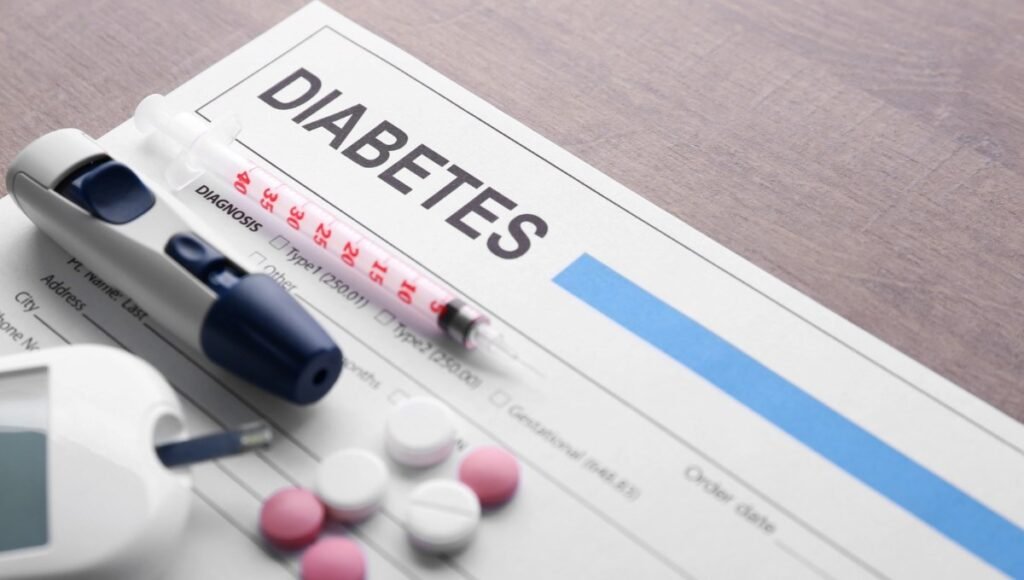
Diabetes can continue for a long time undetected, especially with type 2 diabetes. A person may feel healthy while their blood glucose is gradually rising.
Testing can detect diabetes or prediabetes early. Early identification enables people and healthcare professionals to start appropriate management and decrease the risk of complications resulting from prolonged high blood glucose.
Testing is particularly important for people with risk factors such as excess body weight, a family history of diabetes, high blood pressure, abnormal cholesterol levels or a previous history of gestational diabetes.
What Causes Diabetes?
Diabetes can occur due to different reasons depending on the type.
Type 1 Diabetes
Type 1 diabetes occurs when the immune system mistakenly attacks the insulin-producing beta cells of the pancreas. Therefore, the body produces little or no insulin.
It can develop in children, teenagers, or adults and requires insulin treatment.
Type 2 Diabetes
Type 2 diabetes is the most common form. It develops when the body becomes resistant to insulin, and over time the pancreas does not produce enough insulin to maintain normal blood glucose levels.
Family history, excess body weight, lack of physical activity, age, and other factors can increase the risk.
Gestational Diabetes
Gestational diabetes develops during pregnancy. Hormonal changes can increase insulin resistance, causing blood glucose levels to rise.
Testing during pregnancy is important as gestational diabetes can impact both the mother and baby.
How to Prevent Diabetes
Maintain a Healthy Weight
Maintaining a healthy weight can help prevent the development of type 2 diabetes. Moreover, the reduction of excess weight, even by only a few percent, will reduce insulin resistance and normalize blood glucose levels.
Eat a Balanced Diet
It is necessary to consume more vegetables, fruits, whole grains, legumes, nuts, and other foods that are beneficial for the body. It is also necessary to limit as much as possible the consumption of junk food, sodas, refined flour products, and sweets.
Exercise Regularly
Physical activity helps the body get rid of excess glucose through the muscles. Moreover, regular physical activity reduces the risk of type 2 diabetes and has a positive effect on the body’s overall state. Moderate exercise, such as walking, swimming, or bicycling, is recommended several times a week.
Limit Sugary Drinks
Sugary drinks and sodas are full of calories and unhealthy sugars that disrupt glucose metabolism and negatively affect the body. Limiting their consumption will help maintain the body’s balance and reduce the risks of many diseases, including diabetes.
Eat Appropriate Portions
It is difficult to control calorie intake and weigh food on a plate without harming health. It is essential to eat healthy, paying special attention to vegetables, and not exceed the recommended daily amount of carbohydrates.
Avoid Smoking
Smoking increases the risk of type 2 diabetes and damages blood vessels, which is especially dangerous for diabetics. Moreover, nicotine use increases the risk of many diabetes complications, such as eye diseases, nerve damage, and kidney failure. It is crucial to stop smoking in the early stages of nicotine abuse.
Get Enough Sleep
Lack of sleep, night shifts, and irregular daily rhythm disturb glucose metabolism and increase the risks of type 2 diabetes. Getting enough sleep and not skipping naps helps the body resist many diseases, including diabetes.
Manage Stress
Stress disrupts the body’s balance, affecting blood glucose levels and the way the body breaks down food. Moreover, stress is a factor that aggravates many diseases. To cope with stress, it is recommended to take breaks, play sports, do hobbies, and engage in relaxing activities.
Get Regular Health Checkups
Regular check-ups with a doctor are necessary, especially for people with increased risks of diabetes. Blood tests help control blood sugar levels and monitor the early stages of diabetes. The doctor will select an individual set of tests, which will help fight the disease or prevent its progression.
What Happens After a Diabetes Diagnosis?
After diagnosing diabetes, the doctor identifies the type of the disease and prescribes a treatment regimen. Dietary changes and regular physical activity help control blood glucose levels; drug treatments may also be recommended. Insulin injections, glucose monitoring, and regular doctor visits become part of the daily routine. Moreover, the doctor prescribes therapies that affect the accompanying symptoms of diabetes: high cholesterol, high blood pressure, and problems with the kidneys and eye movements.
The doctor also monitors the functions of other organs: the heart and blood vessels. Diabetes is a systemic disease that affects the functions of many organs and systems.
Can You Diagnose Diabetes at Home?
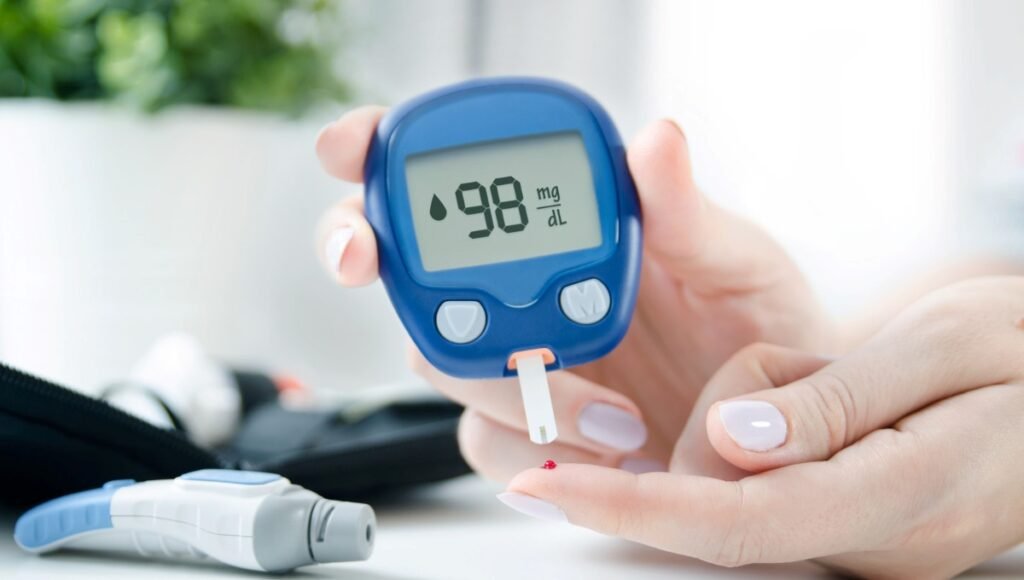
Home glucose meters can give you an estimate of your blood sugar. However, one should not base the results of a glucose test solely on home blood tests.
If blood sugar levels are high and repeat testing confirms this, it is necessary to contact a doctor and schedule appropriate laboratory tests. Only a doctor can give an exact answer about the presence of diabetes, based on tests and the patient’s full history. Home glucose monitoring is useful if a person has been diagnosed with diabetes and the doctor has prescribed regular glucose tests.
When Should You Get Tested for Diabetes?
Testing for diabetes is indicated if there are suspicious symptoms for the disease, which include constant thirst, frequent urination, unexplained weight loss, fatigue, and vision problems. Testing is also recommended if there is a predisposition to develop type 2 diabetes.
In the context of suspicious symptoms, it is necessary to contact a doctor and schedule tests. Moreover, some people have no symptoms of the disease, which is why regular health checks are necessary. Some indicators that require urgent glucose tests are very high blood sugar with accompanying vomiting or abdominal pain, drowsiness or confusion, severe weakness, dry skin, and difficulty breathing.
How to Prepare for Diabetes Testing
The preparation for the tests varies depending on the type of blood glucose tests.
For example, for determining HbA1c, fasting is not required; for determining fasting sugar, a blood test is taken after fasting for the time specified by the doctor. Moreover, for an oral glucose tolerance test, the doctor’s instructions are followed, since food and drink the day before, as well as physical activity, affect the results.
Always follow the recommendations of the doctor or laboratory to determine blood glucose levels.
Conclusion
The diagnosis of diabetes is primarily based on determining blood glucose levels. Quantification of blood glucose is performed using various tests: HbA1c, fasting sugar, oral glucose tolerance test, and random blood glucose test. Symptoms such as frequent urination, excessive thirst, fatigue, weight loss, and blurred vision may indicate diabetes. However, many diabetics do not show symptoms at first.
Moreover, not every test value outside the normal range indicates diabetes. Therefore, it is necessary to interpret the results correctly and conduct additional tests to confirm the diagnosis. Early diagnosis of diabetes is an essential step in controlling the disease. Moreover, timely prevention of the disease can reduce potential health problems associated with high glucose levels. Therefore, people with suspicious symptoms or test results should consult a doctor.
Frequently Asked Questions
A1. An HbA1c level of 6.5% or higher indicates diabetes. In addition, if blood glucose levels are in the diabetic range, the doctor will prescribe tests to confirm the diagnosis.
A2. A fasting plasma glucose level of 126 mg/dL or higher indicates diabetes. In addition, if blood glucose levels are in the diabetic range, the doctor will prescribe tests to confirm the diagnosis.
A3. Yes, type 2 diabetes can develop without any noticeable symptoms.
A4. A home glucose meter can help determine blood glucose levels; however, testing should be done with caution. Moreover, a doctor needs to evaluate the results to prescribe therapy.
A5. Commonly, diabetes is diagnosed by the determination of HbA1c and fasting sugar, but a doctor may prescribe an oral glucose tolerance test or a random blood glucose test.
Also Read: Anemia Symptoms in Women: Signs, Causes, Risk Factors, Diagnosis and Treatment




, key symptoms, causes, and effective prevention.)