

The HbA1c test is a blood test that measures your average blood sugar level over the past two to three months. Doctors often use the HbA1c test to diagnose prediabetes and type 2 diabetes and to monitor blood sugar control in people who already have diabetes. Unlike a fasting blood sugar test, the HbA1c test usually does not require fasting, and it is convenient for assessing long-term blood glucose levels. HbA1c stands for glycated hemoglobin. When glucose enters the bloodstream, some of it binds to hemoglobin, the protein in red blood cells that carries oxygen.
What Is an HbA1c Test?
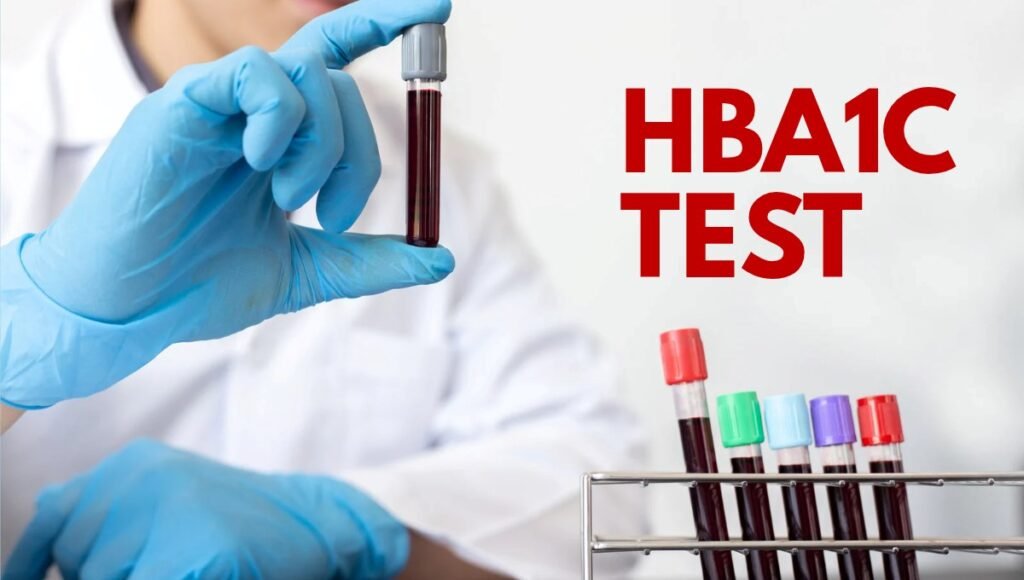
An HbA1c test measures the percentage of hemoglobin in your blood that has glucose attached to it. Since red blood cells usually live for about three months, the test gives an indication of your average blood glucose during that period. The test is also known as the A1C test, glycated hemoglobin test, or glycosylated hemoglobin test. It is one of the most commonly used tests for diabetes screening and management.
Your HbA1c result is reported as a percentage. For example, an HbA1c result of 5.5% means that about 5.5% of the hemoglobin measured is glycated. The test does not show your blood sugar level at a particular moment. Instead, it offers a broader picture of your blood sugar control over time.
Why Is the HbA1c Test Done?
Doctors could recommend an HbA1c test for several reasons. The most common reason is to check whether a person has diabetes or prediabetes. It could also help doctors monitor people who have already been diagnosed with diabetes. Repeating HbA1c tests could show whether lifestyle changes, medicines, exercise and dietary changes are helping control blood glucose.
The test may be recommended if you have risk factors for diabetes, such as excess body weight, a family history of diabetes, high blood pressure or a previous diagnosis of prediabetes. For people with diabetes, the test could help identify whether their current treatment is keeping blood glucose within the desired range.
HbA1c Normal Range
The HbA1c result is generally interpreted using established ranges. An HbA1c result below 5.7% is generally considered normal. A result between 5.7% and 6.4% is generally considered to be in the prediabetes range. This means blood glucose is higher than normal but does not necessarily mean that diabetes is present.
An HbA1c level of 6.5% or higher could indicate diabetes. However, diagnosis usually needs appropriate clinical confirmation, particularly when a person does not have clear symptoms. Your doctor should interpret the result based on your symptoms, medical history, and other blood glucose tests.
| HbA1c Level | General Interpretation |
| Below 5.7% | Normal |
| 5.7%–6.4% | Prediabetes |
| 6.5% or higher | Diabetes range |
HbA1c Levels and Average Blood Sugar
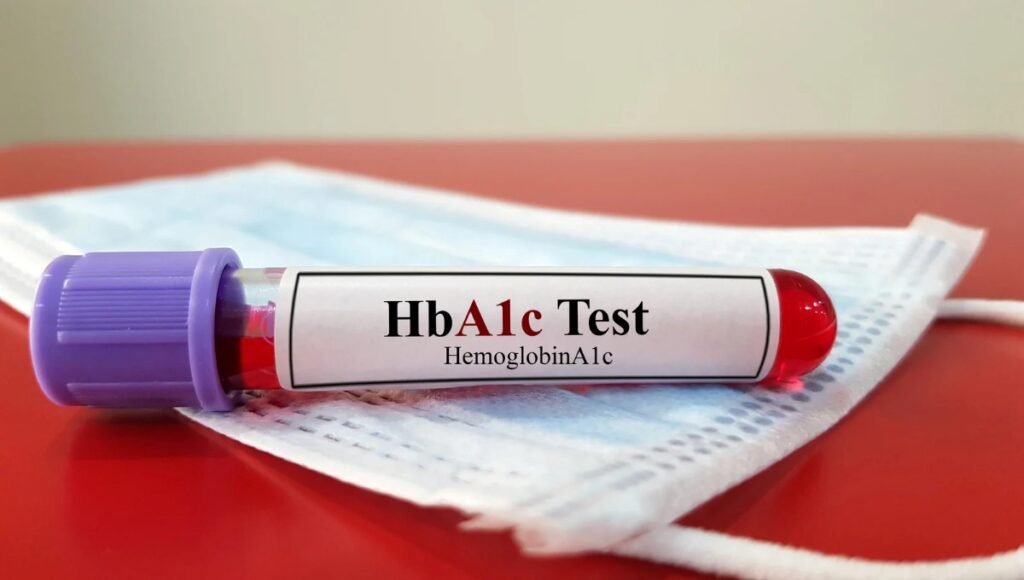
HbA1c can be converted into an estimated average glucose level. This can make the result easier to understand.
| HbA1c | Approximate Average Glucose |
| 5.0% | 97 mg/dL |
| 5.5% | 111 mg/dL |
| 6.0% | 126 mg/dL |
| 6.5% | 140 mg/dL |
| 7.0% | 154 mg/dL |
| 8.0% | 183 mg/dL |
| 9.0% | 212 mg/dL |
| 10.0% | 240 mg/dL |
| 11.0% | 269 mg/dL |
| 12.0% | 298 mg/dL |
These figures are approximate. HbA1c does not directly measure average glucose, and individual results can vary.
How Is the HbA1c Test Done?
- Blood Sample Collection: A healthcare employee uses a small needle to clean the skin and draw a blood sample, typically from a vein in your arm.
- Sample Preparation: The blood is placed into suitable laboratory tubes and prepared for testing. Usually only a tiny amount of blood is needed.
- Laboratory Testing: The sample is tested to determine the percentage of hemoglobin that has glucose attached to it. This percentage is your HbA1c level.
- Result Calculation: The laboratory reports back a percentage. The result indicates your average blood glucose level over approximately the previous two to three months
- Doctor Reviews the Result: Your doctor reviews your HbA1c result and your symptoms, history, and other test results to decide if your blood sugar is normal, in the prediabetes range, or in the diabetes range.
Does HbA1c Require Fasting?
For most people, fasting is not required for an HbA1c test. You can generally eat and drink normally before the test. This is one of the main advantages of HbA1c testing compared with fasting blood glucose testing. However, if your doctor has ordered an HbA1c along with other blood tests, you may need to fast as a result of those other tests. Always follow the instructions provided by your healthcare professional or laboratory.
How Often Should HbA1c Be Tested?
How often you should have an HbA1c test depends on your health and blood sugar control. People with diabetes may have the test several times a year. Doctors may recommend that the test be done more frequently in cases of poorly controlled blood sugar or when a diabetes treatment has recently changed.
People whose blood sugar is under good control may not require testing as often. For people without diabetes, the frequency of testing depends on factors such as age, risk factors, and previous test results. Your doctor can help provide recommendations.
What Does a High HbA1c Level Mean?
A high level of HbA1c means that your blood glucose has been high over the last two to three months. A slightly high result may indicate that you have prediabetes, while a result in the diabetes range may indicate that you have diabetes. For people who already have diabetes, a high HbA1c can indicate that their current blood sugar management may need to be improved. This is not always a sign to change medication, however. Several factors can influence glucose levels, including diet, exercise, medication adherence, stress, and illness.
Very high blood glucose can lead to diabetes-related complications over time, so a consistently high level should be discussed with a healthcare professional.
What Does a Low HbA1c Level Mean?
A lower level of HbA1c indicates that your blood sugar in general is lower. However, extremely low values are not always better, particularly for people using medicines that can cause low blood sugar. Some people with diabetes can experience hypoglycemia while trying to achieve very strict glucose control. An unexpectedly low level can also occur due to conditions associated with red blood cells or hemoglobin. Therefore, the HbA1c should always be considered in a specific context.
Factors That Can Affect HbA1c Results
- Anemia: Certain types of anemia can affect the red blood cells and may cause the HbA1c to be higher or lower than it should be.
- Blood Loss or Blood Transfusion: Recent major loss of blood or blood transfusion can impact the age and number of red blood cells in the body, which may affect the accuracy of the HbA1c.
- Kidney or Liver Disease: Kidney and liver conditions can affect red blood cells and glucose metabolism. This can make HbA1c results less reliable for some people.
- Pregnancy: Pregnancy makes changes to blood sugar levels and red blood cell turnover. Doctors may use other glucose tests to monitor for diabetes during pregnancy.
- Hemoglobin Disorders: Conditions associated with abnormal forms of hemoglobin, such as some hemoglobin variants, can interfere with certain HbA1c tests and result in inaccurate results.
HbA1c Test for Diabetes Diagnosis

The HbA1c test is often used to screen for and diagnose diabetes and prediabetes. A result below 5.7% is generally normal, while a result between 5.7% and 6.4% indicates that you have prediabetes. A result of 6.5% or above suggests that you have diabetes.
However, one abnormal result may not always be sufficient to define a diagnosis, especially if you do not have any other classic symptoms. A doctor may recommend repeating the test or using another glucose test to determine the diagnosis. Other tests may include a fasting plasma glucose or an oral glucose tolerance test.
How to Lower HbA1c Naturally
If your level is higher than your target, there are several healthy habits that can assist with lowering your HbA1c.
- Follow a Balanced Diet: Focus on vegetables, whole grains, pulses, lean protein, and other nutritious foods. Limit the amount of sugar, sweets, and highly processed foods that you consume.
- Controlled portion sizes and choosing carbohydrates that are high in fiber can also help to manage your blood glucose.
- Exercise Regularly: Exercise can assist with improving your insulin sensitivity and managing your blood glucose. Walking, cycling, weight training and other suitable activities can all be beneficial.
- If you have diabetes or another medical condition, discuss an appropriate exercise program with your healthcare professional.
- Take Medicines as Prescribed: If you have been prescribed a medication for diabetes, take it as prescribed by your doctor. Avoid stopping or changing medication as a result of an improved HbA1c.
- Maintain a Healthy Weight: Losing a small amount of weight for people who are overweight can assist in controlling their blood glucose. Weight-loss goals should be achievable and realistic.
- Get Adequate Sleep: Poor sleep can impact your hunger and the release of stress hormones and glucose. Maintaining a healthy sleep schedule can assist with your overall metabolic health.
HbA1c Test Price in India
The price of an HbA1c test in India varies depending on the city, laboratory, testing method, and whether the test is included in a health package. In many private laboratories, the test may cost around ₹300-₹800, although the price can vary based on the location and provider. Government hospitals and diagnostic centres can offer alternative pricing. It is best to check the current price with the specific laboratory before booking the test.
HbA1c vs Fasting Blood Sugar
HbA1c and fasting blood sugar provide different kinds of information. Fasting blood sugar measures the glucose at a particular point in time after fasting. HbA1c indicates your blood glucose level over approximately the previous two to three months.
| Feature | HbA1c Test | Fasting Blood Sugar |
| Measures | Long-term glucose exposure | Current fasting glucose |
| Fasting | Usually not required | Required |
| Time period | About 2–3 months | One point in time |
| Main use | Diabetes screening and monitoring | Screening and diagnosis |
| Result | Percentage | mg/dL |
Doctors may use both tests when they need a more complete understanding of glucose control.
When Should You Take an HbA1c Test?
You may need an HbA1c test if you have symptoms or risk factors related to diabetes, have previously been diagnosed with prediabetes or need ongoing monitoring for diabetes. Common symptoms that can occur with high blood sugar levels include increased thirst, frequent urination, unusual tiredness, blurred vision, and unexpected weight loss. However, type 2 diabetes can often develop without any symptoms at all, which can be why screening can be useful for people at increased risk.
Final Thoughts
The HbA1c test is a convenient and informative way to obtain a general picture of average blood sugar levels throughout the past two to three months. It is commonly used to screen for prediabetes and diabetes and to monitor people who already have diabetes.
An HbA1c level below 5.7% is generally considered normal, and 5.7% to 6.4% is considered the prediabetes range whilst 6.5% or greater is classed in the diabetes range. But a single HbA1c test should not be used in isolation. Some medical conditions can impact the accuracy of HbA1c, whilst diabetes management goals are different for everyone.
If you have an abnormal HbA1c test result, it is wise to consult a qualified healthcare professional before making any independent changes to your medications or diet.
Disclaimer: The information provided in this article is for educational and informational purposes only and is not intended as medical advice. Always consult a qualified healthcare professional regarding any questions you may have about a medical condition, diagnosis, or treatment, and before making any changes to your diet, exercise routine, or medications.
FAQs
A1. No fasting is generally needed for an HbA1c test. However, fasting may be required if you also have other blood tests to do.
A2. A normal HbA1c is below 5.7%; a level of 5.7% to 6.4% is considered the prediabetes range.
A3. An HbA1c level of 6.5% or higher is classed in the diabetes range. Your doctor may want to do a confirmatory test and repeat the HbA1c test or use other tests for diagnosing diabetes, especially if you don’t have symptoms of diabetes.
A4. The blood test itself is quick and only takes a matter of minutes. The time it takes a laboratory to process the results may vary at different testing centres.
A5. Yes, HbA1c can often be lowered by making changes to your diet, exercising regularly, maintaining a healthy weight, and by taking any medications for diabetes as they have been prescribed. It is important that people consult a healthcare professional to decide what target level is most appropriate for them.
Also Read: Heart Attack Symptoms: Early Signs, Warning Signs & Differences in Women and Men



 test is a blood test that measures your average blood glucose (sugar) levels over the past 2 to 3 months)