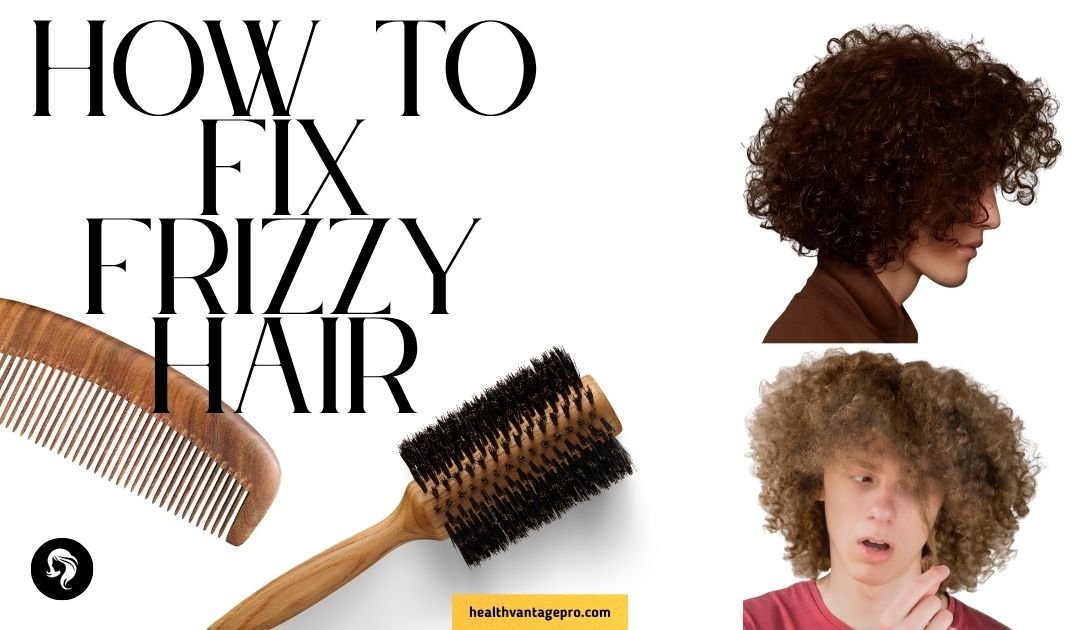
Frizz appears in the form of standing hair, hair that curves away from the head or hair that is fuzzy and puffy rather than smooth. It is one of the most frequent hair-related issues faced by both men and women, and when the temperature rises and humidity levels increase, it is bound to break out. The upside is that frizz usually indicates dryness or damage to the outermost layers of the hair — so it’s easily treatable with the right care, whether you are at home, in a salon chair or suffering from a humid summer.
This guide explains exactly what is happening to your hair when it frizzles and provides you with just the remedies that will help — whether you’re at home, in the salon or even after a problematic blowout.
What Causes Frizzy Hair?
It is helpful to know what is happening at the strand level in order to tackle frizz. Hair consists of three layers, the outermost of which is comprised of flat, overlapping cells, like shingles on a roof, that serve as a barrier to moisture and to protect the inner hair. If hair is dry or damaged, that cuticle will rise, not lie flat, weakening the hair, and making it more susceptible to frizzing.
There are a number of common causes:
- Humidity and heat: The moisture in the air penetrates the hair shaft and makes it swell and bend up in all sorts of ways — this leads to the well-known “humidity frizz.”
- Sun exposure: Over time, UV rays may result in discoloration, brittleness and frizz.
- Over-shampooing: Too frequent washing will wash away the natural oils, making hair dry and susceptible to tangles.
- Chlorinated water: The water in pools is damaging and harsh on the cuticle of the hair.
- Heat styling: Frequent blow-drying or straightening will cause damage to the hair and worsen frizz.
- Friction: Mechanical injuries to the cuticle and inner hair layers such as tight hats and rough towel-drying are harms.
- Underlying health factors: According to Healthline’s review, there are a variety of health issues that can cause hair to be dry and brittle, including nutritional deficiencies, eating disorders, and thyroid problems.
If you know which of these is applicable to you, it’s much easier to target the fix.
How to Fix Frizzy Hair at Home
The majority of frizz can be controlled without ever having to make a salon appointment. The first place to start is shampoo and conditioner as you should only choose products that are labeled “moisturizing” or “for frizzy/dry hair” or only contain oil, such as argan oil or coconut oil, as well as avoiding sulfate free shampoos which can cause the hair to be even drier.
There are a few additions that make a significant difference from there:
Hair serums: They are generally made of silicone and coat the hair shaft to prevent moisture from causing swelling, and to help the hair retain moisture. Serum best applied after cleansing, on damp hair.
Hair oils: A variety of oils, such as olive, coconut, avocado, almond, argan, castor and jojoba are frequently used to hydrate and manage flyaways.
Leave-in conditioner: Leave-in conditioner is less rinse-off than a rinse-out formula and will provide additional moisture over the day.
Hair masks: A weekly mask that you either purchase or make with a combination of banana, honey or egg yolk is beneficial in preventing moisture loss from your hair due to daily styling, which will be left on for 20 minutes or even a few hours.
Glycerin-based products: Glycerin is a humectant that gets into the hair shaft and lays a light coat down inside, hence you’ll find it in a lot of anti-frizz shampoos and conditioners, according to Nexxus’ haircare guide.
Microfiber towels: When replacing a towel with a microfiber towel, there is less friction on the cuticle during drying.
There are also little things to do:
Brushing from root to tip to smooth the cuticle down, keeping hands out of hair during the day, and wearing soft accessories like clips or headbands rather than tight elastics all limit extra friction.
How to Fix Frizzy Hair Naturally
If you prefer not to use the heavier commercial products, there are a few natural remedies that attack the same problems – dryness.
The easiest oils to use are vegetable oils. Damp or dry ends can be processed with coconut, olive, or jojoba oil to help smooth the cuticle and give shineless look without using synthetic oils. Another natural moisturizer that can sometimes be used in homemade serums and masks is aloe vera.
Cut back on the number of times you wash your hair, which is probably the best “natural” solution, as the natural oils your scalp produces are stripped away by shampoo. If you have dry hair, shampooing every three days (or only when hair is truly oily) lets the oils in your hair do their work, per Healthline.
Diet also has a role to play. Biotin and protein deficiency can manifest themselves as brittle, frizzy hair, and a balanced diet should prevent this type of dryness.
Lastly, silicone or satin pillow liners lessen the effect of friction during sleep which leads to ‘bedhead’ — a cotton pillow liner, on the other hand, will draw moisture out from your hair and tangle your cuticle overnight.
Salon Treatments to Fix Frizzy Hair Permanently
If, despite all home care, there is still hair frizz, which is caused by coarse, curly or chemically treated hair, one of the most effective long-term solutions is a professional keratin treatment. The keratin treatment is a protein solution which is applied to the hair, sealed with heat and it’s a naturally occurring protein that is a structural protein of hair so it’s what the salon uses to treat the hair to make it smooth and reduce frizz for a longer period of time. “Hair is made of keratin and as time goes on, it becomes damaged by the environment, exposure to UV rays and heat-styling, and this is why it loses its shine and strength over time, which is why a treatment can make it look smoother,” says dermatologist Alok Vij, MD.
The duration of an in-salon keratin treatment depends on the formula used and the frequency with which the client washes her/his hair after the treatment, ranging between three and six months. While this is not a permanent fix (hair grows back and treatment fades) this is the best that is available at the moment. This is a chemical process, which has its pros and cons; some of the chemicals used are quite strong, the treatment can be expensive and it may not be recommended for very fine or already damaged hair, so it’s best to check with a stylist prior to the treatment based on your hair history.
Other in-salon options include deep conditioning protein services, and glosing, which do not chemically alter the structure of the hair but can help work wonders in terms of shine and help minimize frizz between larger treatments.
How to Fix Frizzy Hair After Blow Drying
One of the many causes of frizzy hair is blow drying, as repeated use of heat on the outer part of the hair will cause damage over time. If your hair frizzes immediately after drying, there are a few tweaks that will make it better:
- Dry using the correct drying equipment. Don’t rub, towel dry hair at a rough fashion to create friction that roughs up the cuticle, use a microfiber towel or soft cotton T-shirt.
- Use a heat protectant before drying and, if possible, dry on a lower setting as regularly heating the hair is a known source of frizz.
- Cool with cool air. After drying the hair, a cool air at the end of the blow drying will close the cuticle back down again.
- After the hair has been dried, apply a light serum or oil on the ends to smooth down any flyaways the dryer caused.
Select the appropriate tools. Having a good dryer and using it wisely — not always on the highest setting — helps minimize damage that can cause frizz later.
How to Fix Frizzy Hair in Summer and Humidity
The main cause of frizz is humidity—when the hair is already dry or brittle, it will absorb the moisture in the environment and swell up in an unbalanced manner. Here are some summer habits to control it:
Carry anti-frizz sheets or sprays with you. When you’re on the go and the humidity rises in the middle of the day, a portable anti-frizz sheet (which is sometimes infused with argan oil) can take care of flyaways in seconds without a complete restyle.
Keep hair from getting damaged by chlorine and salt water. A swim cap or at least rinsing and conditioning hair right after swimming reduces the amount of drying out of the cuticle of chlorinated or salt water.
Avoid heat styling on hot, humid days. Lower heat and humidity-resistant styling products or air drying decreases double damage caused by heat and moisture swelling.
If necessary, reapply leave-in products half way through the day during summer because heat and humidity can damage the styling during the day compared to cooler conditions.
How to Fix Frizzy Hair: Tips for Men vs. Women
The root causes of frizzy hair (dry, damaged cuticles, hot weather, and humidity) affect men and women alike, and hair color and length play a major part in frizz than gender. However, this is more of a theoretical concept in practice.
The main tips for men (and shorter hairstyles) are to use a good moisturizing shampoo and conditioner, a lightweight leave in or styling cream (not heavy serums) and limit the use of heat styling tools on a daily basis. Many men already wash their hair less often, so the primary changes will likely be related to which shampoos to use and not to towel-drying.
For women, particularly those with longer and curls hair, there is more space for hair masks, oils, leave in conditioners and even salon treatments such as keratin to make a difference as there is more hair surface that will be exposed to heat, friction and humidity throughout the day.
The fundamental trick for fixing both long and short hair is the same: avoid damage caused by excessive heat and friction, replace lost moisture, and keep the cuticle protected.
Conclusion
When you have frizzy hair, it’s nearly always dry hair, or heat damage, or humidity or friction that’s caused the outermost cuticles of the hair to rise — out of the plane. For most people, home changes are enough to make a big difference in managing frizz: Wash less often, switch to moisturizing products, use a leave-in conditioner or oil, and be gentler with towels and heat tools. Frizz can be easier to tame with the help of a salon keratin treatment, or with the help of simple tips like anti-frizz sheets and swim caps for hot, humid days. All of these patches take time to work, but the key to maintaining a frizz-free, consistent routine (not necessarily with any one product).
FAQ’S
Dry or damaged hair cuticles that lift instead of lying flat, worsened by humidity, heat styling, and over-shampooing.
Not permanently, but a salon keratin treatment can smooth hair for three to six months at a time.
Every third day or only when hair feels oily, since daily shampooing strips moisturizing natural oils.
Yes-oils like argan, coconut, and jojoba coat the cuticle and lock in moisture, reducing flyaways.
Yes, humid air gets absorbed into dry hair strands, causing them to swell and frizz more easily.