
Shoulder pain is a common problem that can affect people of all ages. It can occur rapidly after an injury or slowly as a result of overuse, poor posture, muscle strain or a medical condition. The shoulder is a complex joint that can move in various directions, so an issue with the muscles, tendons, ligaments or bones can make it uncomfortable to do the things you do every day. Knowing a little bit about the possible causes of shoulder pain, as well as how to identify warning signals and when medical attention is needed can help you to manage this problem effectively. Treatment will depend on the underlying cause and could involve rest, physical therapy, medication, lifestyle modifications, and/or medical procedures. This article will provide complete information about Shoulder Pain.
What is Shoulder Pain?
Shoulder pain is a feeling of pain that is felt in or around the shoulder joint. It can be located on the front, side or back of the shoulder and can sometimes radiate up the upper arm, neck or upper back.
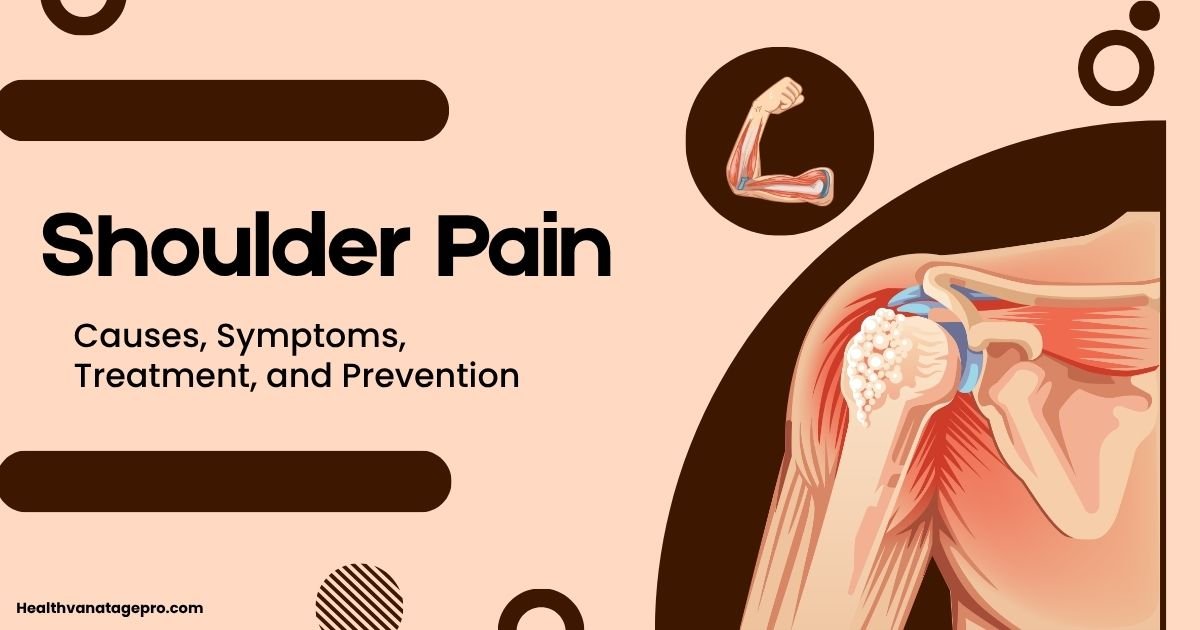
The shoulder is made up of bones, muscles, tendons, ligaments, cartilage and bursae. The rotator cuff is a complex of muscles and tendons that stabilize and move the shoulder, and has a key function in these activities. The pain can be slight and short-lasting or strong enough to make it hard to sleep, work, exercise or do normal daily activities.
Common Causes of Shoulder Pain
Shoulders can be painful for a variety of reasons. Knowing the cause will help to determine treatment options because various conditions may need different treatments.
1. Muscle Strain
An injury to the shoulder muscle that is caused by overstretching or overusing the muscle. It can occur as a result of heavy lifting, exercise, repetitive activity or sudden movement. The symptoms include pain, stiffness, tenderness and pain in the affected shoulder on movement.
2. Rotator Cuff Problems
Shoulder pain is often caused by injuries to the rotator cuff (RCups), which are special cuffs of tissue that surround the shoulder joint.The rotator cuff (RCups) is a set of special cuffs of tissue which surround the shoulder joint, and injuries to the RCups are a common cause of shoulder discomfort, especially among people who use their shoulders for a lot of overhead movements. Inflammation and irritation of the rotator cuff, to partial or complete tearing of the tendons, can all be rotator cuff issues. Aching can worsen with lifting or reaching overhead, or while sleeping on the painful side.
3. Tendinitis
Shoulder tendinitis (tendinous inflammation or irritation) is a condition that affects a tendon. Certain exercises and repeated activities like swimming, throwing, painting, can enhance risk. Pain may be gradual and progressive and worsens with activity.
4. Bursitis
Bursae are small, fluid-filled sacs that prevent friction between tissues in the areas where joints occur. A positive inflammatory reaction of a bursa of the shoulder may lead to pain and swelling. Shoulder bursitis can cause activities like reaching overhead or lifting items to be uncomfortable.
5. Frozen Shoulder
Adhesive capsulitis, or frozen shoulder, is a condition that is characterised by a progressive decrease in the mobility and pain of the shoulder. Movement might be limited so that tasks like dressing, reaching behind the back or lifting the arm are difficult. Signs of the condition may occur slowly and last for a long time.
6. Shoulder Impingement
Shoulder impingement happens when structures in the shoulder are compressed during specific movements. Can be painful when lifting the arm, especially above the shoulder. People involved in repetitive overhead activities may be more susceptible.
7. Arthritis
The shoulder joint can be involved in various types of arthritis. Osteoarthritis may occur with progressive loss of cartilage, and inflammatory forms of arthritis can lead to pain, stiffness and swelling. Sometimes shoulder arthritis is more prominent as you get older or if you’ve had an injury.
8. Shoulder Dislocation
Shoulder Dislocation is when the top of the arm bone comes out of the shoulder socket. Typically, it is a result of an injury, fall or great impact. A dislocation can result in significant pain, swelling, weakness and an obvious change in the appearance of the shoulder. It should be evaluated promptly by medical professionals.
9. Fractures
One of the bones around the shoulder can fracture during a fall, accident or direct impact. The arm may be painful, swollen, bruised and may be difficult to move.
Medical evaluation and imaging is necessary when there is a suspicion of fracture.
10. Poor Posture
Muscle tension and discomfort around upper back and shoulder may be caused by poor posture, especially by sitting with rounded shoulders for a long period of time.
Those who work long hours on a computer or phone can develop shoulder and neck pain due to the way you sit and your sitting posture.
Symptoms Associated With Shoulder Pain
The pain in one’s shoulder can be different according to the cause. Common symptoms include:
- Dull or aching pain
- Pain when moving
- Shoulder stiffness
- Limited joint mobility.
- Lack of strength in shoulder or arm
- Swelling
- Tenderness
- Clicking/popping noises
- Waking up in pain
- Arm lifting and/or arm rotation is difficult.
- Radiating pain towards the neck or upper arm
The combination of symptoms can give a health professional useful clues about the cause of the symptoms.
When Should You See a Doctor for Shoulder Pain?
Not all shoulder pain needs to be treated right away. Slight discomfort from temporary overuse can be helped with just rest and activity modification.
Medical evaluation is recommended if the shoulder pain is severe, persistent, recurrent, or interferes with your ability to move it.
If the shoulder pain has been caused by a serious injury or is associated with other symptoms, such as severe deformity, sudden weakness, numbness or trouble using the arm, the doctor should be consulted immediately.
In some cases, shoulder pain with chest pain, shortness of breath, sweating, nausea, dizziness, and arm or jaw pain is not caused by the shoulder alone, but may be a sign of a medical emergency. If this happens, get emergency medical attention right away.
How Is Shoulder Pain Diagnosed?
Your healthcare provider may start by asking you about your symptoms, activities, past injuries or when you first felt pain.
A physical examination can evaluate:
- Shoulder movement
- Muscle strength
- Tenderness
- Joint stability
- Range of motion
- Pain with certain movements.
Further testing might be suggested based on the suspected cause of the condition. These may involve X-rays, ultrasound, and/or magnetic resonance imaging (MRI) or other tests. The objective is to find out if the pain is in the shoulder itself or in some other place, for example, the neck.
Treatment for Shoulder Pain
Treatment will depend on the cause of the pain, how bad the pain is, and how long the pain lasts.
Rest, Activity Modification
Temporary measures of activity modification may help to give irritated tissues time to heal. But in some cases it is not always suitable to keep a joint completely still for a long period of time as this can help to stiffen the joint. Modifications of activities can be determined by a healthcare professional.
Cold or Heat Therapy
Cold therapy can be beneficial to minimize pain and swelling after some injuries. In some cases, heat may relax tight muscles and eliminate stiffness.
This will vary depending on the condition.
Physical Therapy
For numerous shoulder conditions, physical therapy can be an essential treatment. Your physical therapist will suggest exercises that will help you increase your:
- Shoulder flexibility
- Muscle strength
- Joint stability
- Range of motion
- Posture
- Movement patterns
The exercises should be carried out as per the professional guidance, especially following an injury.
Medication
Treatment for pain varies depending on the cause, and may involve pain relievers or anti-inflammatory medications. Not suitable for all people – take medical/pharmacist advice, consider existing health conditions and other medicines.
Medical Procedures
If your shoulder pain persists, there may be a need for further treatment. Injections or other procedures may be considered based on the diagnosis, depending on the condition.
Sometimes the severe injuries (some tendon tears, fractures, repeated dislocations) may need surgery.
Exercises That May Help Shoulder Pain
The right exercises might help increase the range of motion and strength in the shoulder, but these exercises will vary based on the condition.
- Typical rehabilitation exercises may consist of a gentle range of motion exercises, shoulder blade exercises, stretching and strengthening exercises for the rotator cuff and other surrounding muscles.
- Do not push a hurtful motion.
- Do not continue any exercise if it is causing severe pain or making pain worse, and seek advice from a health care professional.
How to Prevent Shoulder Pain
There are some reasons that shoulder pain can’t be completely prevented, but there are some habits that can minimize the risk.
Maintain Good Posture
Relax your shoulders and don’t sit for a long time with your shoulders rounded. Position your computer, desk and chair to work comfortably.
Warm up before exercising
A good warm up will prepare the muscles and joints for exercise. Ease into exercise, don’t do intense moves all at once.
Use proper Lifting technique
If lifting heavy objects, perform controlled movements, and do not pull or twist your shoulder suddenly.
Do not make repetitive overhead movements
Take frequent breaks and use proper technique if you have work or sport activities that require overhead work to avoid unnecessary stress on the shoulder.
Strengthen the Shoulder and Upper Back
Strongening exercises regularly can help support the muscles around the shoulder and make it more stable.
Take a Break from Screens
Extended sitting time at the computer and using a smartphone can lead to bad posture and muscle tension. Taking regular moving breaks will help to alleviate stiffness and discomfort.
Shoulder Pain at Night
Sometimes shoulder pain is more noticeable at night. Lying on the painful shoulder may aggravate the pain.
Sleeping in new positions and positioning pillows properly may help to ease sleep. If night pain continues, especially if it frequently disturbs sleep, please consult a healthcare professional.
Shoulder Pain From Exercise
It is normal for muscles to feel sore after exercise, particularly when an exercise program is initiated or modified. When the pain is sudden, sharp, and severe or when the pain does not get better, however, it might mean an injury.
To minimise the likelihood of shoulder pain during exercise:
- Warm up exercises
- Know how to do your exercises
- Increase weights gradually
- Do not over do repetitive movements
- Don’t neglect rest and recovery
- Avoid activities that result in substantial pain
How Long Does Shoulder Pain Last?
Shoulder pain can last for a very long time, depending on the cause of the pain. Simple muscle strain will improve fairly quickly while ailments like frozen shoulder, big tendon injuries or arthritis will need long-term care. If pain persists after reasonable self care, returns or prevents normal activities, professional evaluation can help determine the cause of the pain.
Conclusion
Muscle strain, rotator cuff injuries, tendinitis, bursitis, poor posture and traumatic injuries are just a few of the many problems that can cause shoulder pain. Sometimes mild pain can get better when you rest and adjust your activity, but if symptoms don’t go away or are severe, it should not be ignored.
It is important to get to the bottom line of your condition to determine the appropriate treatment. Treatment may involve physical therapy and/or proper exercises, medications, lifestyle modifications, and/or medical procedures depending on the diagnosis. Shoulder health can also be protected by the use of good posture, proper exercise technique, preventing overuse and recovery.
FAQ’S
This typically happens from muscle strain, tendon irritation, a rotator cuff issue, bursitis, arthritis, repetitive movements and/or injuries. Actually, the most probable cause will vary based on the symptoms and situation of the individual.
If the shoulder is just a little bit sore, limiting aggravating activities, gentle movement and using appropriate cold or heat therapy can help alleviate symptoms. Severe and persistent pain should be diagnosed by an expert.
Occasionally, but not often. Most shoulder pain is related to musculoskeletal problems. If the injury is severe, or if a person experiences shoulder pain with chest pain, shortness of breath, sweating, dizziness or nausea, they should seek immediate medical care.
This is dependent on the cause and degree of severity. For some illnesses, gentle exercises may be helpful, and for some injuries, activity modification is necessary. Do not exercises that cause a lot of pain; seek advice when necessary.
Yes. A bad posture can cause long-term tension and discomfort around the shoulders, neck and upper back. You may be able to help by improving workstation ergonomics and by taking movement breaks regularly.
If pain is extreme, persistent, getting worse, it is recurring, after a big blow or when there is a restriction on normal shoulder movements, think medical evaluation. If shoulder pain is accompanied by symptoms that could indicate a heart attack or other emergency, report them to the emergency room.