
Hip pain can occur in people of all ages. It can be sudden, brought on by an injury or develop slowly due to overuse, muscle strain or a joint issue. Hip pain can present in many ways. There can be a dull throbbing pain or a sharp, severe pain in and around the hip, groin, buttocks or thigh and even the knee. There are many conditions that can cause hip pain, such as muscle strain, bursitis, tendinitis, arthritis, injury, sciatica and hip fracture. Pain can vary from being a mild discomfort to a debilitating pain that makes walking, exercising and sleeping difficult. Understanding the origins of hip pain can also help one recognize what symptoms to look for if they have or know someone who has hip pain. This article will provide complete information about Hip Pain Causes.
What Is Hip Pain?
Hip pain is upper leg pain centered around the hip joint and includes the surrounding muscles. The hip is a ball-and-socket joint that forms where the thigh bone meets the pelvis. It provides stability when standing or sitting and allows you to walk, run, swing your legs, climb and descend stairs, sit down, and stand up. This upper leg joint can cause sharp or dull pain, varying degrees of discomfort or immobility due to an injury, or gradually occurring discomfort due to other causes.
Hip Pain Causes
There are a number of common causes when it comes to hip pain.
Muscle Strain
Muscle strain is a common cause of hip discomfort. It can be caused by exercise, a sudden movement, or by overextending or overworking your muscles during day-to-day activities. Symptoms can include muscle pain and tenderness, stiffness, and restricted movement. If you run, jump, or move suddenly, you could also cause a strain or tear the hip flexor.
Bursitis
Bursae are fluid-filled sacs that act as cushions on your bones, muscles, and tendons and are located throughout the body. When the bursa pads, known as bursitis, become inflamed they can cause hip pain and other symptoms. Hip bursitis causes discomfort on the outside of your hip and is often more severe at night or after a prolonged period of walking or standing.
Tendinitis
Tendons can become irritated resulting in tendinitis, or tendonitis. Tendons are connective tissues that transfer energy from your muscles to your bones. Several tendons surround the hip joint. Tendinitis usually appears gradually and may begin causing discomfort with certain movements.
Osteoarthritis
Osteoarthritis develops when tissues within your joints begin breaking down, and the cartilage that normally cushions ends of your bones, begin to wear away. It can cause chronic pain and stiffness in your joints because of the breakdown in cartilage and the formation of bony growths. Symptoms can include limited range of motion, pain, swelling and stiffness in the hips, groin, thighs, or buttocks that may occur after exercising or when you are sitting for a long time.
Rheumatoid Arthritis
Rheumatoid arthritis is an autoimmune disease that attacks joints and other tissue. It typically causes joint pain and swelling that can be debilitating. Morning stiffness that lasts for an extended period of time is a defining feature of rheumatoid arthritis. Rheumatoid arthritis cannot be cured, but the symptoms can be managed with medication and treatment. A doctor should be consulted for long-term issues with joint pain and movement.
Hip Injury
A hip injury can result from physical activity, an accident, or a direct impact resulting in damage to hip muscles, tendons, ligaments, cartilage, or bones. Symptoms of a hip injury can vary depending on the type and severity of the injury.
Hip Fracture
Hip fractures typically result from an accident or a severe fall, and in older individuals with osteoporosis, they can even occur from a minor fall. With many hip injuries people have pain and limping, but in the case of a hip fracture, there will generally be severe pain and the individual will have difficulty bearing any weight on the injured limb.
Labral Tear
Hip injuries, tears, or hip dysplasia can cause a labral tear. This injury tears the cartilage lining your hip socket. Labral tears often trigger groin pain and hip stiffness. They also limit mobility and create a locking or catching sensation.
Hip Flexor Strain
Stretching or tearing of the hip flexor tendons or muscles can cause pain near the hip, lower back, or groin area. Overexerting yourself during exercise often strains the hip flexors. Sudden movements during workouts, sports, or everyday activities can also trigger these strains. Strains in the hip flexor can make a person’s hip feel stiff and make it difficult for them to fully extend their leg.
Sciatica
Although the hip joint controls leg movement and typical hip pain stays local, sciatica can also cause hip pain. Sciatica occurs when something compresses or inflames a spinal nerve, usually in the lower back. It causes lower back discomfort alongside burning sensations, tingling, numbness, or weakness. These symptoms travel downward from your waist, through your hip, and down your leg.
Osteoporosis And Bone Diseases
Osteoporosis, which is a general thinning and weakening of bones, typically affects older people. The condition itself may not directly result in hip pain, however fractures to bones, including your hip bone can cause very severe pain.
Overuse And Repetitive Movements
Hip pain can be a result of overuse and repetitive movements, which leads to gradual wear and damage to the joint surfaces and surrounding tissue. Activities like running, biking, intense workouts, and constantly climbing stairs often cause overuse hip pain. These tasks require repetitive hip movements.
Symptoms Associated With Hip Pain
There are commonly associated symptoms related to hip pain. They include the following:
- Stiffness: Hip stiffness can restrict your movement and make it hard to stretch out your legs, especially when getting up or down from a seated position.
- Swelling: Swelling of the hip may occur after an injury or when the hip joint and tissue around it have become inflamed.
- Restricted Movement: Some causes of hip pain restrict movement at the hip joint.
- Hip Pain While Walking: Sharp hip pain while walking running or when going down or up stairs or standing for a long period of times.
- Clicking Or Catching: Catch or click sensations can sometimes be felt around the hip in association with specific hip problems.
- Hip Discomfort At Night: Many causes of hip discomfort or groin pain can also stop you from getting a good night’s sleep, especially when lying on the affected side.
How Is The Cause Of Hip Pain Diagnosed?
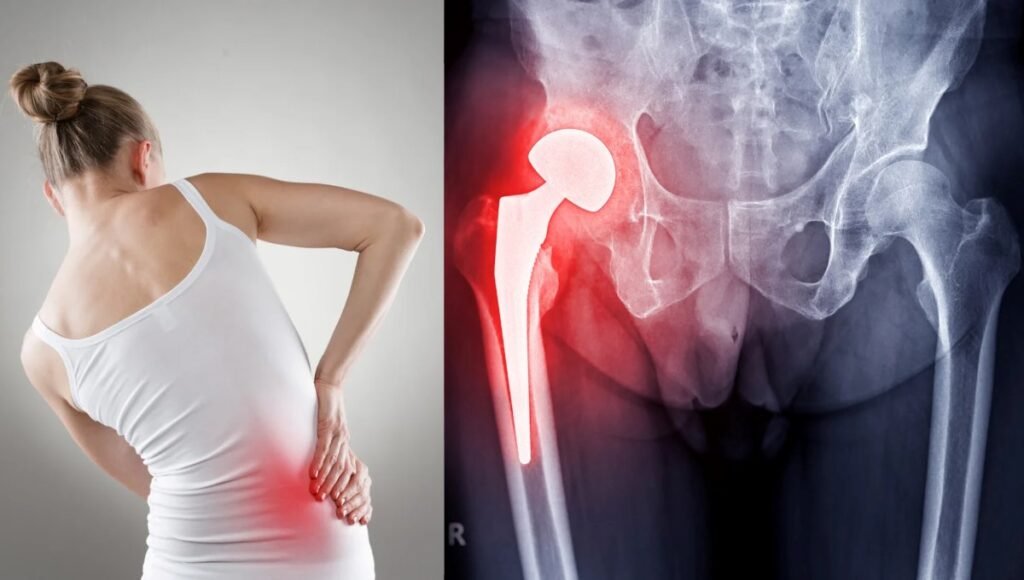
A medical professional will firstly ask you questions about your symptoms and obtain other vital information about your condition in order to accurately determine the origin of your discomfort. They might question you on the location, nature, and severity of your pain as well as any injuries you may have recently sustained, any exercising, working, or other activities that may have brought on your pain and whether you have had similar discomfort before.
They may carry out tests to measure muscle strength, mobility, and range of motion at the hip, as well as examine your gait or walking pattern. Doctors may also use diagnostic imaging like hip X-rays or MRI scans to identify the cause of your discomfort. An X-ray, for instance, can take pictures of the bones within the hip, while an MRS can produce detailed images of the muscles, tendons, cartilage and ligaments.
How Hip Pain Treated?
The treatment of hip pain depends on what the cause is as well as its severity. A number of treatments, however, are generally available for people suffering from hip discomfort. One of the first things a medical professional may advise is to limit your activities that bring on pain or stress the hip joint. This allows the inflamed tissues time to heal. Do not stop activities completely. Instead, limit only the movements that aggravate your hip.
Ice and Heat Treatments
Ice and heat therapies can limit pain and swelling from a recent acute injury, reduce stiffness and other symptoms associated with persistent hip discomfort or chronic hip injuries. Never apply heat or ice directly to bare skin for extended periods. Doing so can burn your skin.
Physical Therapy Treatments
To effectively treat certain injuries or conditions, a medical professional may refer you for physical therapy. There, the therapist will work together with you in order to develop and carryout a treatment plan, which could include recommending certain physiotherapy exercises, and discuss and perform specific treatments, according to your condition. For the various types of hip pain, a physical therapy regimen focusing on restoring normal movement or flexibility and building up muscle strength around the hip joint can be helpful.
Drugs And Medications
A doctor may recommend medications to reduce pain, discomfort, or inflammation from your hip condition. However, doctors cannot prescribe these drugs to everyone. They pose special risks for people with kidney disease, heart issues, or gastrointestinal problems. It is best to consult with a professional on the regular, ongoing use of these drugs to treat persistent hip pain. A hip injury or condition may need surgery depending on its gravity. Surgery may rarely be indicated for structural concerns or persistent hip injuries that fail to adequately respond to other treatment strategies, although for most hip injuries, surgery is not advised unless it is very serious.
How Can You Prevent Hip Pain?
Exercise Regularly
Engaging in regular exercise routines will keep your muscles active and increase and maintain your muscle strength and flexibility, which in turn reduce your likelihood of developing a structural hip injury or damage. When exercising it is important to gradually build up your intensity level instead of abruptly increasing it.
Strengthen Your Muscles
Strengthening the musculature around your hips will increase and maintain your muscle strength and flexibility, and this reduces your likelihood of developing a structural hip injury or damage. Strengthen hip, thigh and stomach muscles by using various types of exercises, which should be completed with the correct technique.
Be At A Healthy Weight
Maintaining a healthy bodyweight reduces stress on your joints which in turn lowers your risk for developing osteoarthritis and other conditions
Warm Up Before You Exercise
Warming up before exercising allows your body to adjust to the upcoming strain, which reduces the risk of joint injury. The process of warming up involves starting with mild exercises before engaging in moderate workouts or other exercises for longer durations of time.
Use The Correct Technique
Lifting weights, exercising or carrying out other activities in the wrong manner puts extra strain on the hips and surrounding tissue and joints. Using the right technique can reduce this strain in these areas.
Wear The Right Shoes
Wearing comfortable and supportive sportswear or daily wear can prevent strain on the hips especially during exercise. It is important not to wear out worn shoes especially while exercising.
When Should You Consult A Physician About Hip Pain?
You may not need a doctor for mild hip discomfort. Still, give your body time to heal and adjust your activities accordingly. Hip pain that persists frequently or is impeding your daily life should be treated by a professional.
Many conditions cause hip pain. This pain ranges from mild discomfort to severe joint damage. Rest and modified activity usually relieve mild overuse pain. The following treatments can also ease your symptoms. On the other hand, persistent pain, or hip discomfort that significantly impacts quality of life, including sleeping and regular activities generally needs professional evaluation, physical therapy, medicine and or other treatments. Regular exercise, strengthening the musculature surrounding the hip, correct exercising technique, and maintaining a regular, healthy weight goes a long way in maintaining hip health.
Disclaimer: The information provided in this article is for educational and informational purposes only and should not be construed as professional medical advice, diagnosis, or treatment. Always seek the advice of your physician or another qualified healthcare provider with any questions you may have regarding a medical condition or treatment options. Never disregard professional medical advice or delay in seeking it because of something you have read in this article.
Frequently Asked Questions
A1. Muscle strain, overuse, bursitis, tendinitis, and arthritis are all among the most common causes of hip discomfort. A physician can evaluate the condition based on the patient’s age, their symptoms and activity levels and medical history.
A2. Minor hip discomfort or pain may be brought on by overexertion or a short-term condition, and it typically resolves on its own. If persistent, however, it may be a sign of something more serious.
A3. Hip discomfort can be felt in the groin, the outside of the hip or thigh, or buttock.
A4. Severe hip discomfort or pain brought on by an injury, immobility or the inability to bear weight, significant swelling or deformity, and pain accompanied by other concerns such as fever or numbness require immediate medical attention.
A5. Exercise and maintaining a high level of musculoskeletal fitness help prevent problems with the hip that result from aging, but suddenly increasing the intensity and volume of one’s exercising regiment raises the risk of injury and consequential pain from hip damage.
Also Read: How to Lose Face Fat: Proven Tips for a Slimmer Face